ENG

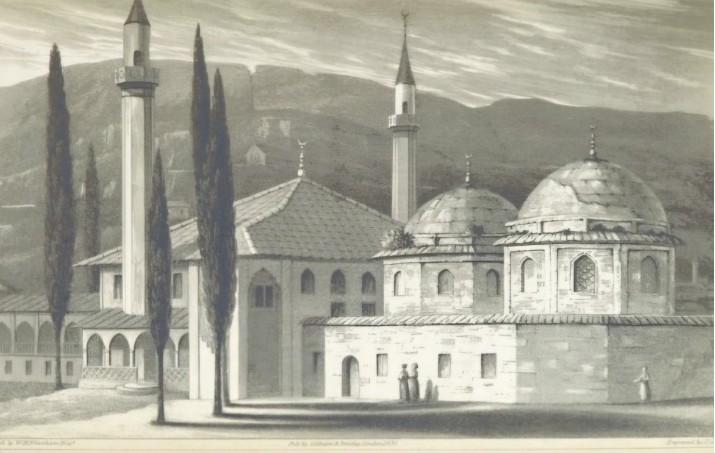
This building is unique. There are simply no other surviving examples of Crimean Tatar palace architecture. Although, according to historian Oleksa Haivoronskyi, at least eight palaces were built on the peninsula during the era of the Crimean Khanate. After the first annexation of Crimea in 1783, the Russians destroyed them literally “brick by brick” — just as they did with the fortified walls of the cities. Only one residence was fortunate enough to survive in part.
The palace on the banks of the Churuk-Su River was built in the early 16th century for Khan Sahib Geray. Nearby are the Biyuk Khan-Jami Mosque, the Sari-Güzeli Baths, the harem building, and a cemetery. For more than a quarter of a millennium, this complex served as the main residence of the Geray dynasty and the political and administrative center of the Crimean Khanate. The city of Bakhchisaray, which grew up around it, was its capital. This architectural ensemble, which has miraculously survived, could still be a cultural and tourist symbol of Crimea (instead of the overhyped pseudo-Gothic “Swallow’s Nest”) if the Russians weren’t so eager to strip the peninsula of even the slightest mention of its indigenous people. What they failed to achieve in the 18th century, they decided to complete in the 21st. In 2016, the occupiers announced that the Bakhchysarai Khan’s Palace would be reconstructed.
Officially, the work was called “emergency repairs,” although prior to that, there had been no mention of the building’s dilapidated condition, not even in official Russian sources. According to Ukrainian restorers and Crimean experts, only four beams of the Khan’s Mosque required restoration or replacement. Instead, by the fall of 2017, all of the historic oak floor beams had been dismantled using a truck-mounted crane and hauled away to an unknown destination. During the dismantling process, the mosque’s 18th-century wall murals were damaged. The work was carried out by the Moscow-based company “Atta Group,” which had never previously been involved in restoration. It was the company’s “specialists” who decided to clean the mosque with a high-pressure washer. Cracks appeared on the facade, and the plaster began to crumble — and then the damaged areas were simply patched with cement and painted over.
The following year, in 2018, it was decided to reinforce the mosque — and new, even deeper cracks appeared on the facade. The building’s historic roof — every element of which had been handcrafted by medieval masters — was replaced with factory-made Spanish roof tiles.
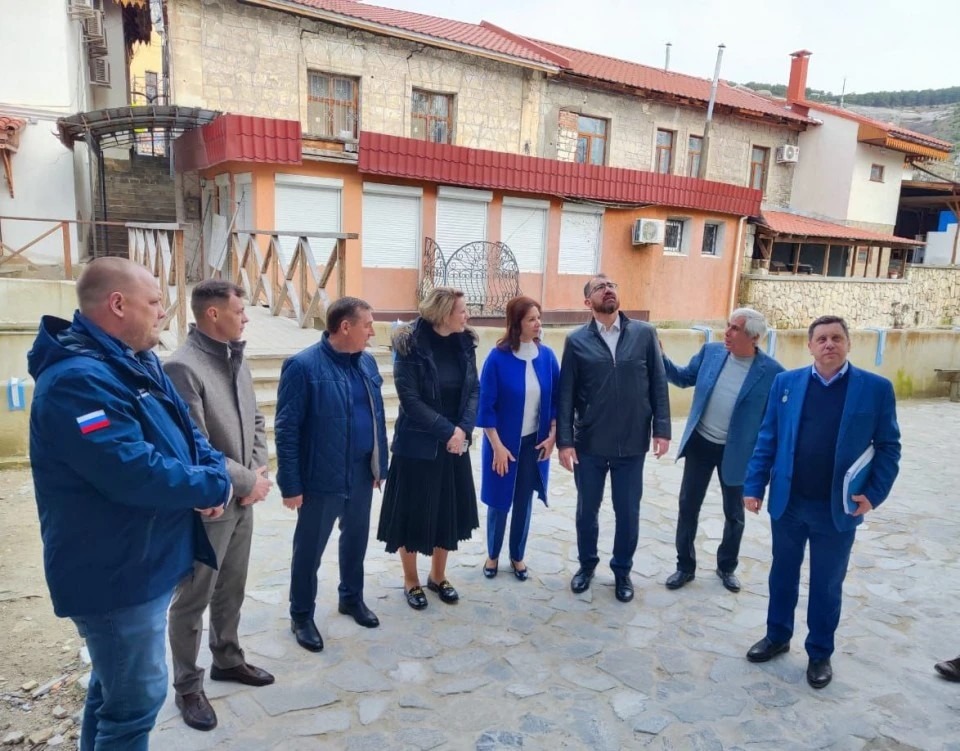
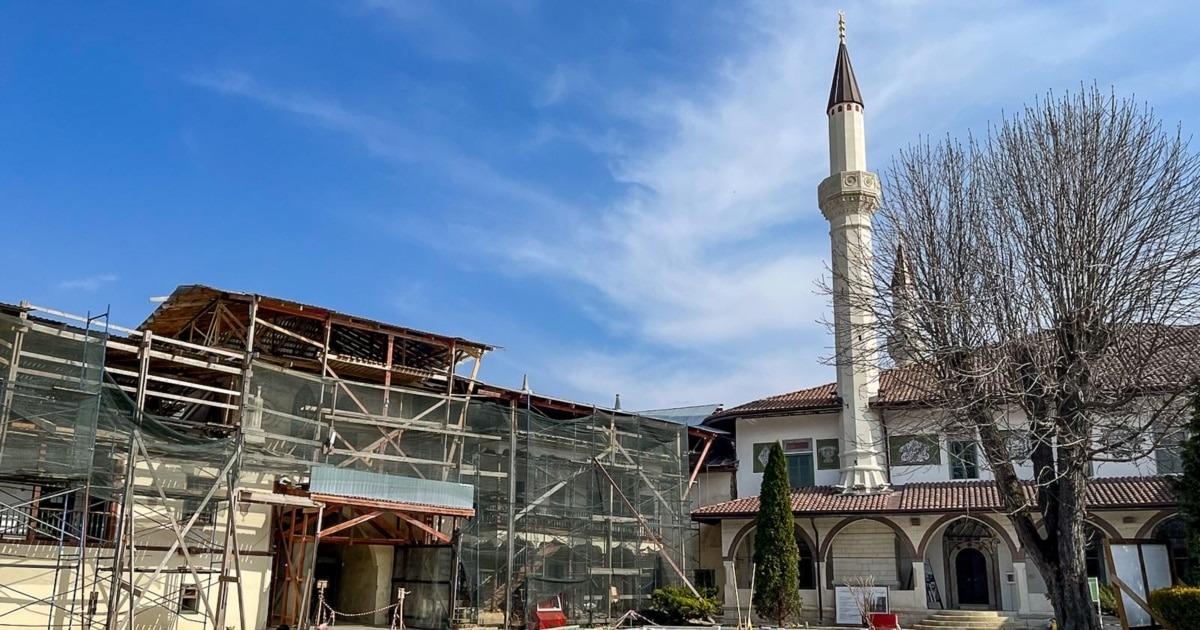
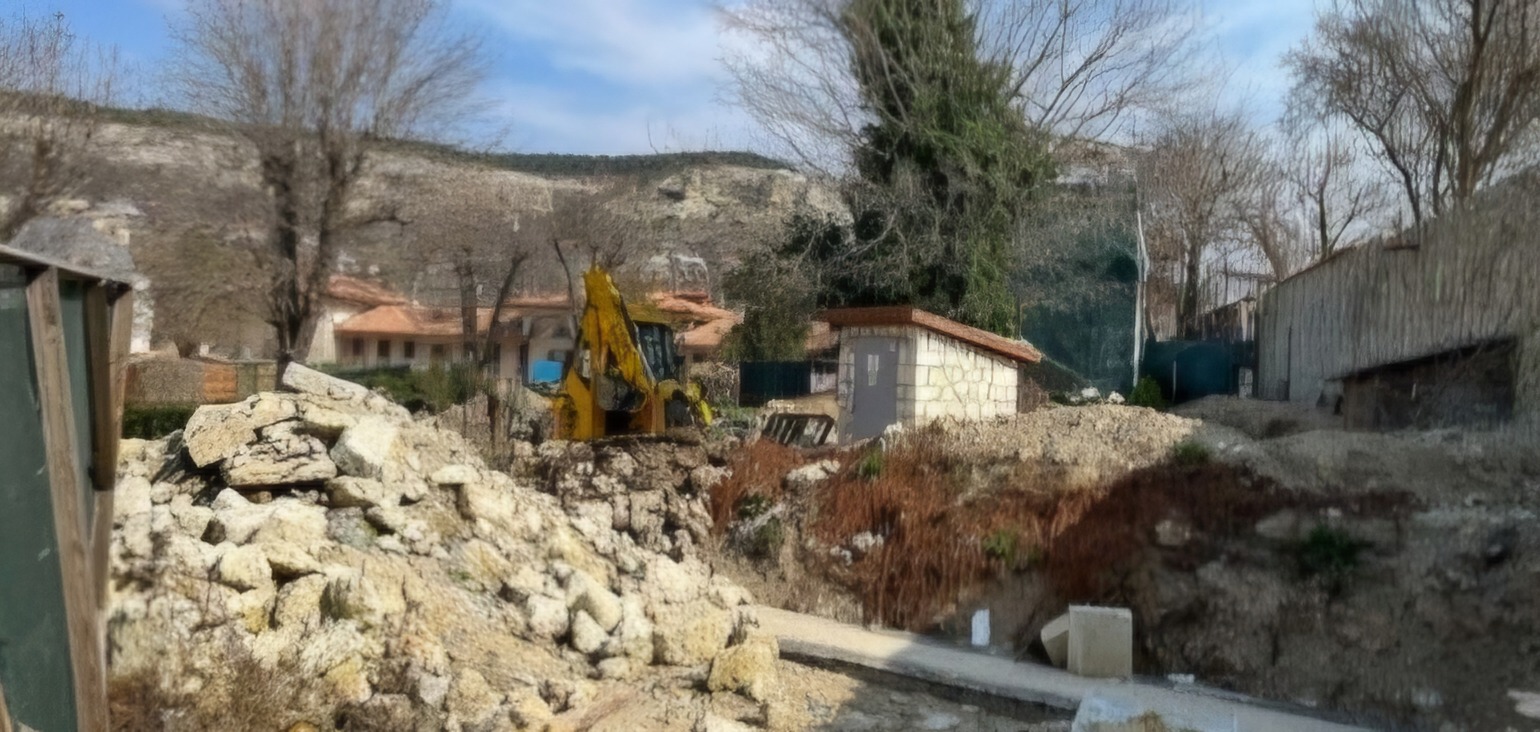
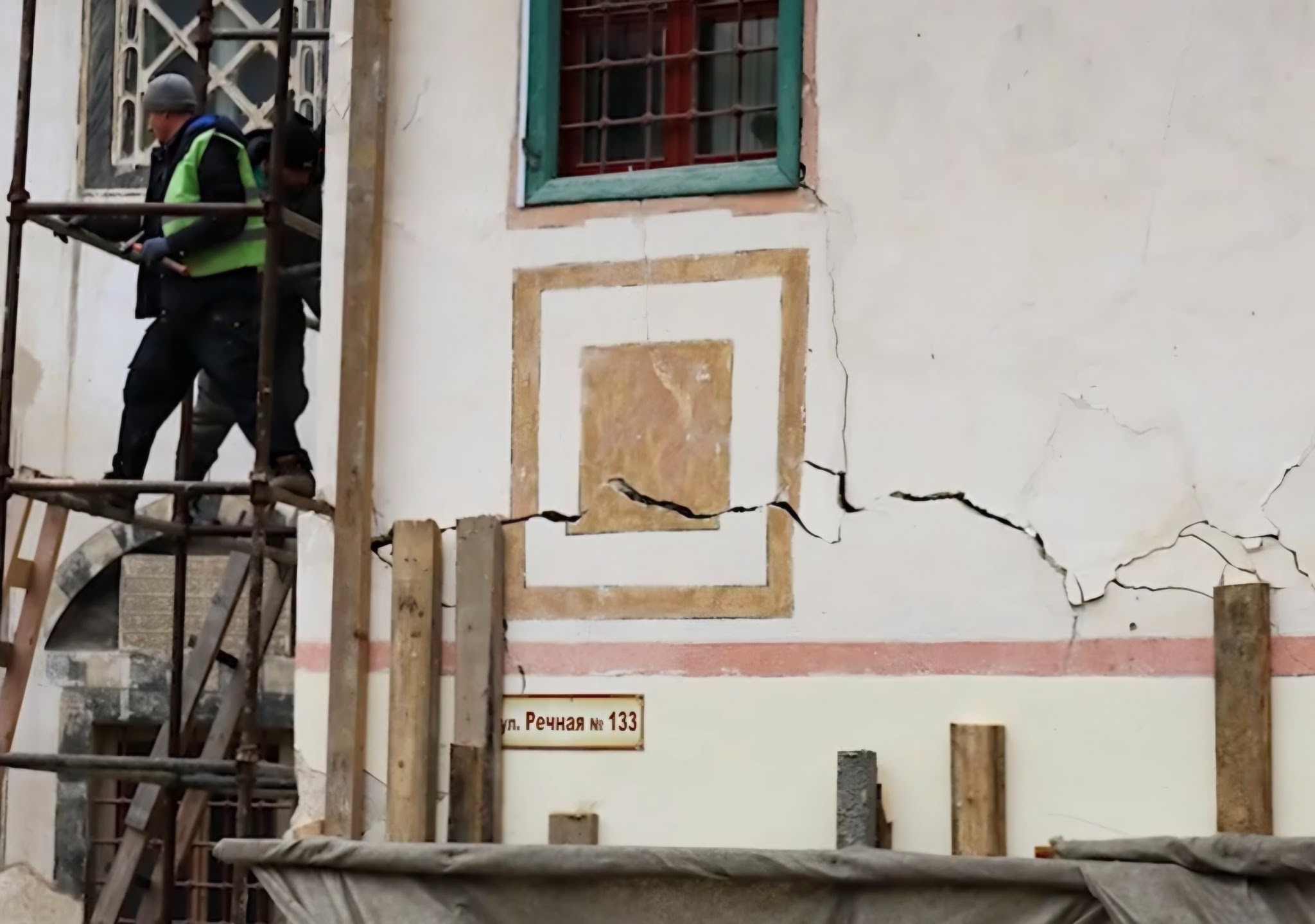
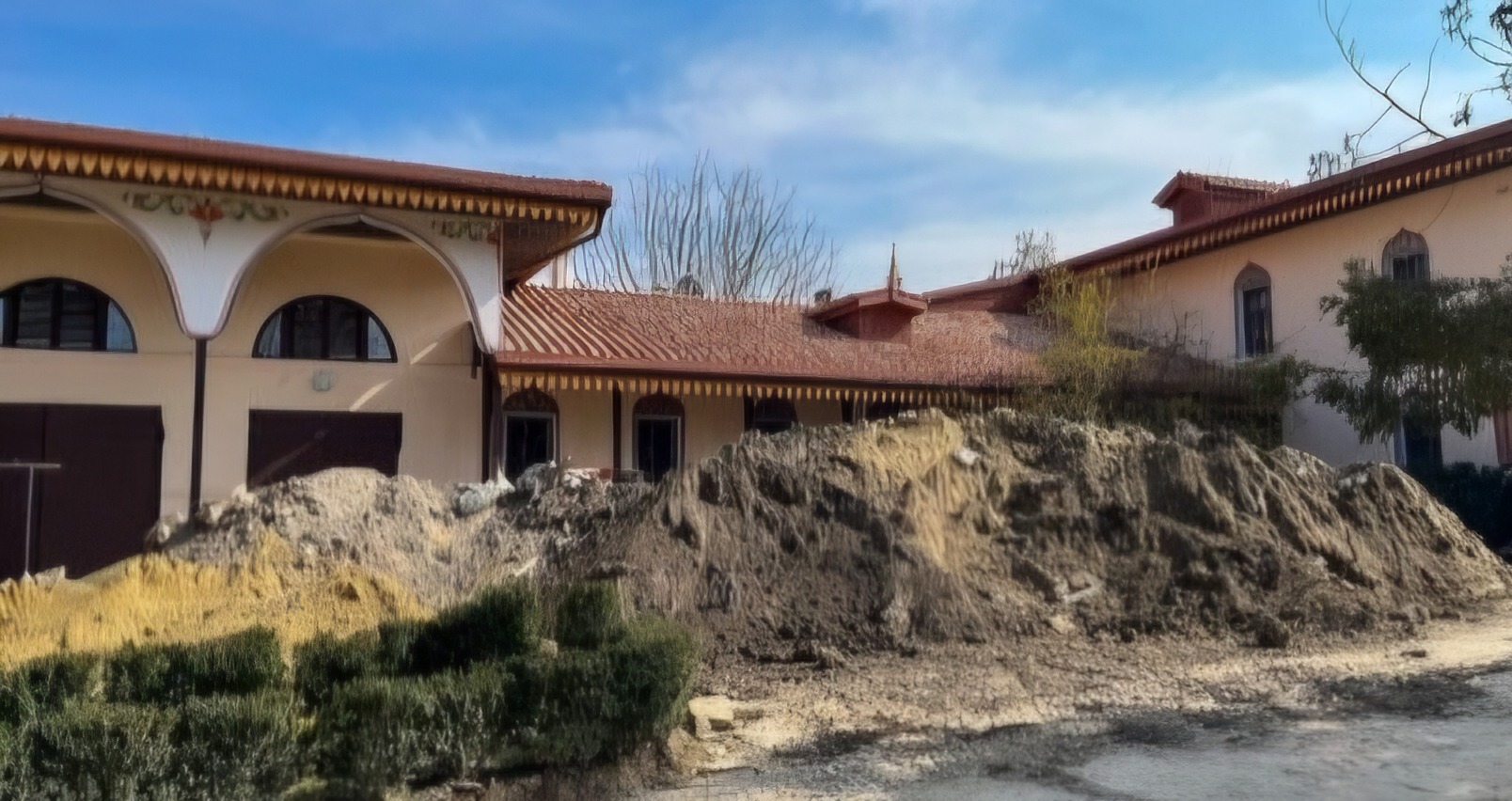
The reopening of the palace following its “restoration” has been postponed year after year. At first, the occupiers spoke of 2020; now they’re talking about the end of 2027. The propaganda media have even stopped explaining the reasons for the delay, although they were quite outlandish to begin with: an excessive number of archaeological finds, the complexity of the half-timbered structures, or bugs that the “restorers” allegedly discovered in the ancient wood.
Cultural historian Elmira Ablyalimova — the former director of the Bakhchysarai State Historical and Cultural Reserve, which included the Khan’s Palace — is convinced that the true goal of the “restoration” is to destroy the monument in order to permanently eradicate the Crimean Tatar heritage.
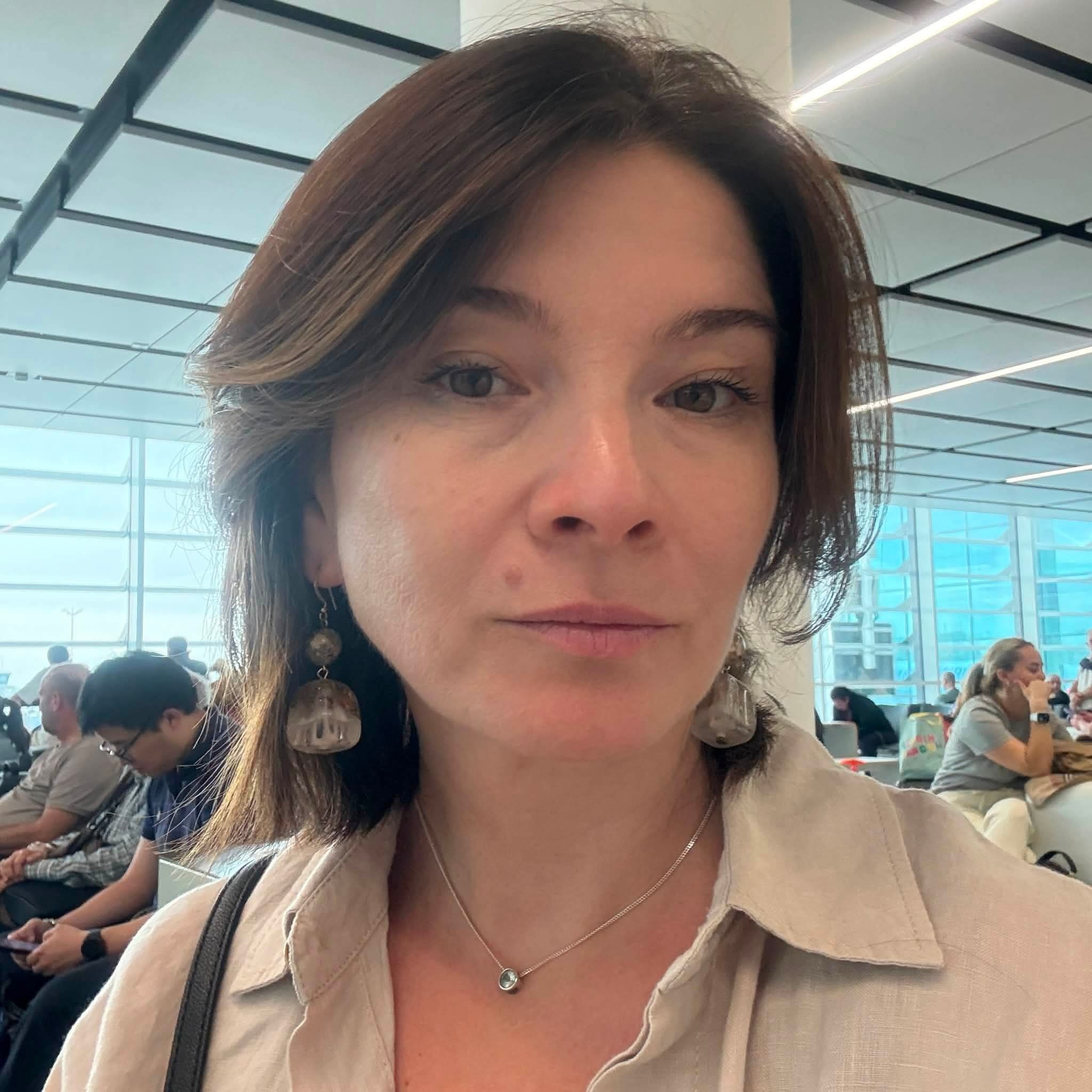
Elmira Ablyalimova, former director of the Bakhchysarai Historical and Cultural Reserve
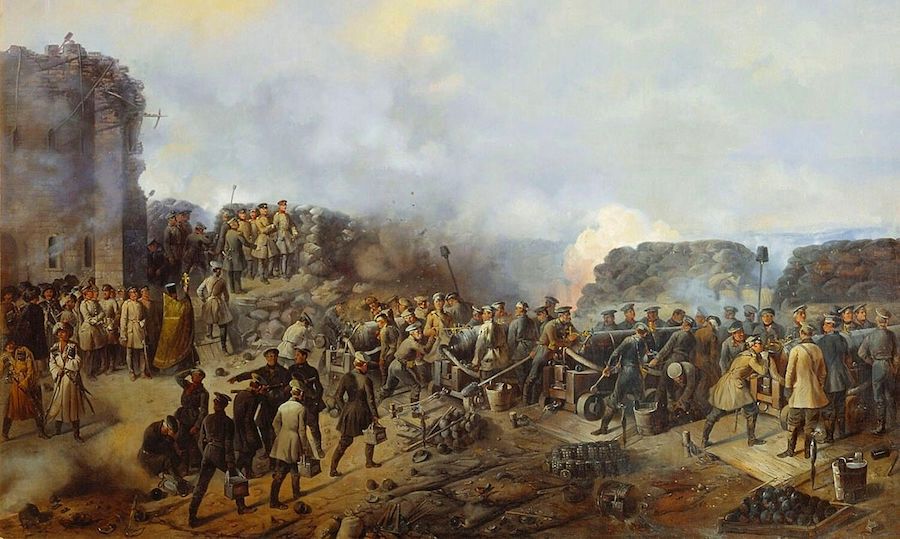
“The so-called ‘reconstructions’ of the palace have continued unabated since the first annexation of Crimea in 1783. Just a few years after the dissolution of the Crimean Khanate, renovations began that distorted the original appearance of the Khan’s Palace. During the Crimean War, the Russians turned the palace into a military hospital and buried their soldiers next to the mausoleums and tombs of the Crimean rulers. Thus, the authenticity of the site, its historical and sacred value, and its significance for the Crimean Tatars were gradually destroyed and distorted. However, let no one think that this is due to ignorance. For a quarter of a millennium, the destruction of the historical memory of a people who once had their own state on this territory has been ongoing. And this is how Russia treats all occupied territories. Let me give an example. Many people around the world consider Siberia “Russian land” because the Russians left nothing behind from the Siberian Khanate. They’ve had a harder time with Crimea: despite nearly 250 years of “cleansing,” we still exist — as proof that Crimea is not Russian. It is precisely assimilation, the alteration of our historical memory and consciousness, that the so-called “reconstructions” are aimed at,” says Ablyalimova.
Since 2017, the Ukrainian government and the Mejlis of the Crimean Tatars have regularly appealed to the international community to prevent the destruction of the monument. UNESCO responded in 2021 with a report stating that the construction work does indeed pose a threat to the palace. Two years later, the “reconstruction” was mentioned in a European Parliament study on protecting Ukrainian cultural heritage from war. In 2024, PACE dedicated a paragraph to the Bakhchysarai Khan’s Palace in its report “Countering the Erasure of Cultural Identity During War and in Peacetime.” Neither the theft of ancient roof tiles, nor the destruction of frescoes with a jackhammer, nor the destruction of stained-glass windows was prevented by this international “deep concern.”