ENG

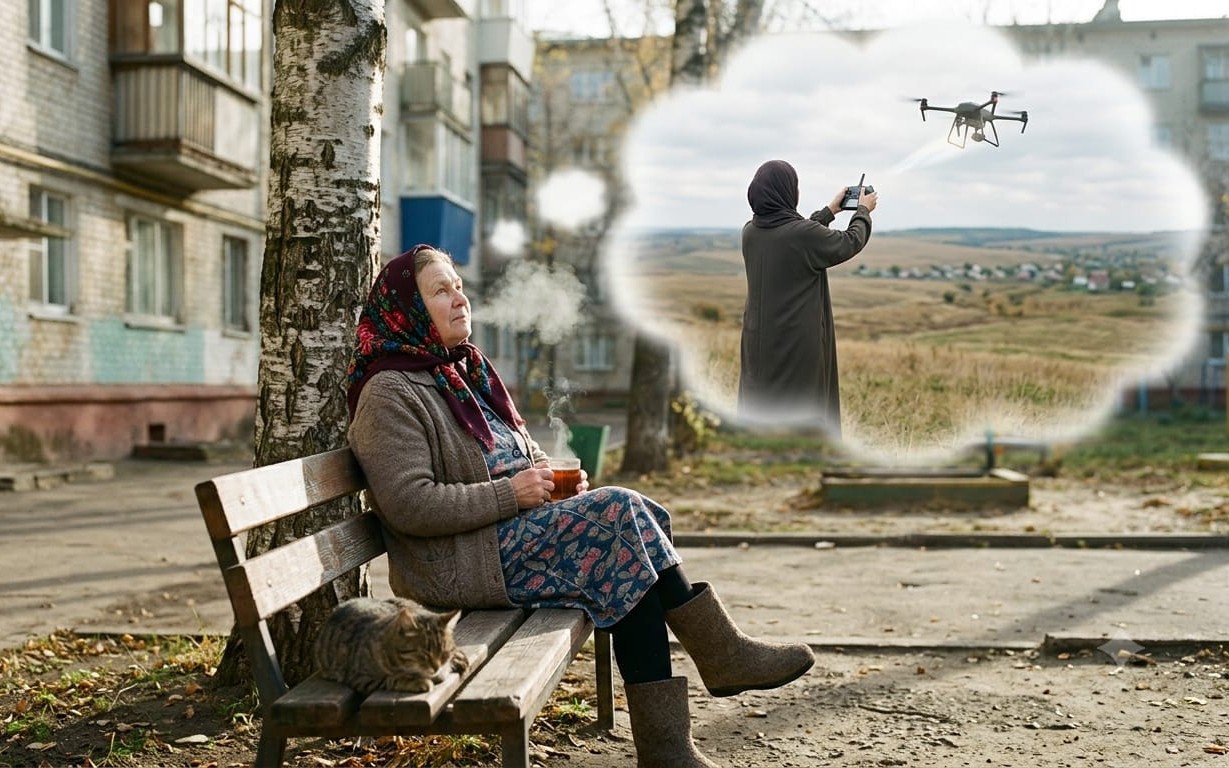
The sharp deterioration of the situation in Crimea due to Ukrainian strikes on the occupiers’ military infrastructure has revived plans on the peninsula that Russian intelligence agencies had been preparing as far back as 2014. CEMAAT detected the first signs of this in late June. At that time, rumors began to spread in several villages in eastern Crimea that Crimean Tatars were launching drones, because drones from mainland Ukraine were allegedly unable to fly so deep into the rear, having to overcome Russian air defense systems. Against the backdrop of burning oil terminals in St. Petersburg, Ufa, Tyumen, and Omsk, these stories sounded so wild and absurd that at first we didn’t pay them any attention.
But now such accusations have begun to spread in major cities across Crimea and have even appeared on Telegram channels. Russian intelligence agencies are circulating several versions of “treasonous activity” among the population.
So, drones are being assembled:
a) in mosques;
b) in greenhouses.
Drones are launched:
a) from private cars, driving them right up close to targets;
b) right from the streets — after all, several drones can be hidden at once under the long dresses and hijabs of Crimean Tatar women.
That’s why they fly silently and hit their targets with precision.
The special services are solving three problems at once.
1. They are channeling the discontent of the Russian majority toward the Crimea Tatar minority. This method was used in Rwanda on the “Thousand Hills” radio station to prepare for the genocide of the Tutsi, carried out by representatives of the Hutu national majority.
2. They are intimidating the Crimean Tatars. It is a peculiar form of prevention against disloyal behavior amid the weakening of the occupiers’ military machine.
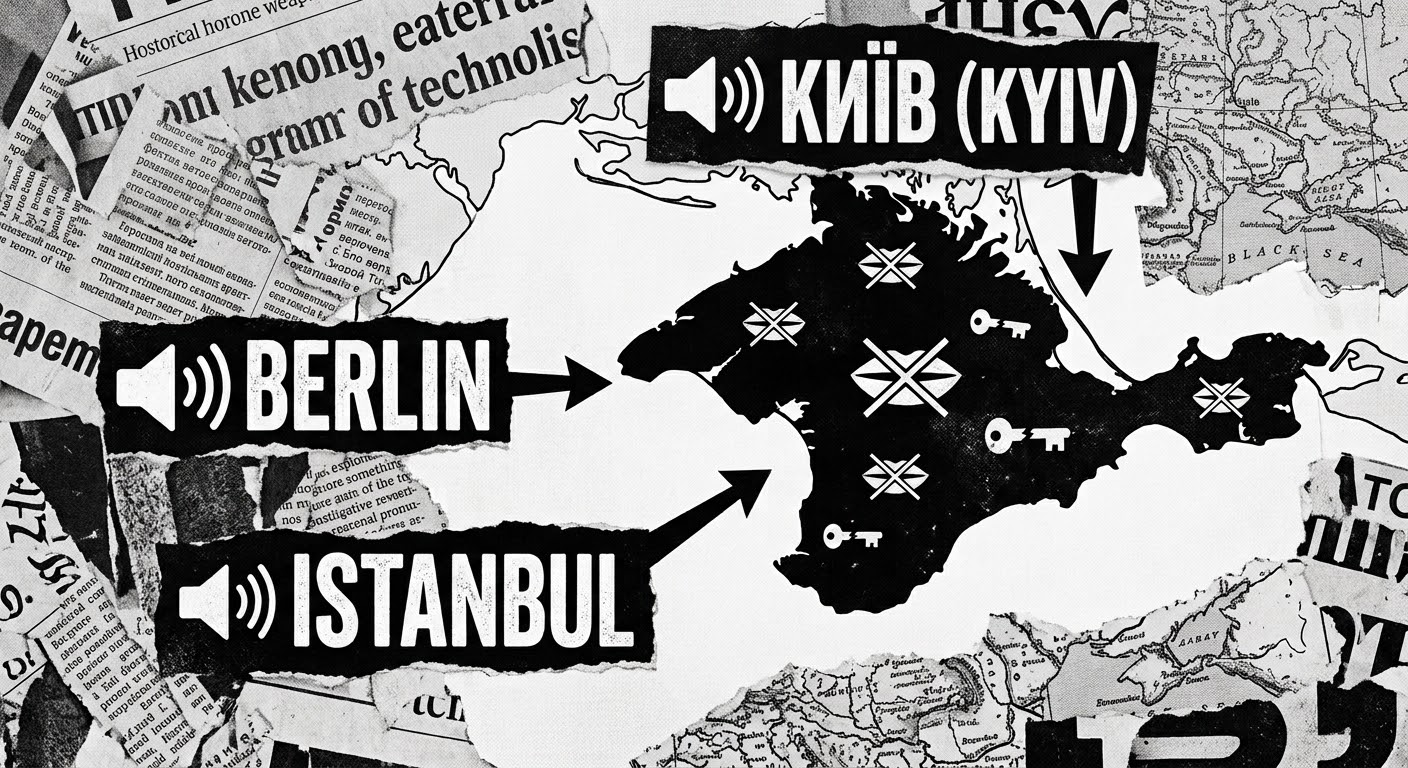
3. They are turning an entire people into hostages to be used as bargaining chips in negotiations with Europeans, Turks, or even Ukraine.
In 2014, the Russian special services had several scenarios for suppressing Crimean Tatar activism. Only one was carried out: the public abduction of Reshat Ametov in the center of Aqmescit (Simferopol) in front of video cameras on March 3, and the discovery of his body, bearing signs of horrific torture, on March 15 — on the eve of the so-called referendum — with his funeral broadcast online. In this way, the Russians managed to crush the mass protests among Crimea’s indigenous population through brutal intimidation.
Other options were discussed by the occupiers in behind-the-scenes negotiations — including plans to convey these scenarios to the leadership of the Mejlis. In particular, a provocation involving the murder of a Slavic family with children was planned. This was to be followed by “retaliation” — a pogrom in a village with a compact Crimean Tatar population carried out by alcohol-fueled avengers.
Telegram provocateurs like Talipov are now capable of carrying out information campaigns to dehumanize the Crimean Tatars — without the involvement of official state media outlets. According to the scenario, the occupying authorities do not intervene for 2–3 days. The KGB has been using this method of “non-intervention” since the pogroms in Fergana and Sumqayıt— to maximize terror and sow panic, after which any solution appears to be a blessing. But now we can consider scenarios for the “final resolution of the Crimean Tatar issue,” which Catherine the Great and Stalin bequeathed to Putin.
1. The “humanitarian” option (Ubykh-style)
Faced with the threat of a mass massacre of “traitors” by “patriots,” the Crimean Tatars are evacuated to the Krasnodar Krai or to desert regions closer to Kalmykia. Geographically, this is neither Siberia nor Magadan, so the scenario does not look like deportation; rather, the opposite — a rescue and humanitarian aid effort that can easily be sold even to Europeans. Against the backdrop of the Rohingya massacre in Myanmar, Putin’s rescue of the Crimean Tatars will look almost like the Europeans opening their borders to Ukrainians in February 2022. In the 19th century, the Russians offered a similar option to the Ubykhs, the indigenous people of present-day Sochi: to voluntarily resettle in the interior regions of Russia. The Ubykhs chose exile to the Ottoman Empire and eventually assimilated there.
2. The Rational Option (Bulgarian)
First comes a brutal massacre with numerous casualties. The result is a situation in which reconciliation with the Russian majority will be unlikely not only in Crimea but throughout the entire Russian Federation for years to come. Therefore, a corridor is opened at Chongar — either to settle the deserted regions of the occupied Kherson Oblast or, following negotiations with Ukraine, to allow everyone to relocate to territories controlled by Kyiv. This option also appears acceptable to a passive West, which would agree to any outcome. At the same time, this scenario bears a superficial resemblance to the repressions carried out by Todor Zhivkov’s regime against ethnic Turks and Pomaks, when, in 1989, 250,000 Bulgarian Muslims crossed the Bulgarian-Turkish border.
3. Playing on the Emotions of the Turks
In Turkey, voices are emerging demanding that the government intervene in the situation in Crimea and save the Crimean Tatars. The danger of this position lies in the fact that Ankara is being urged to enter into negotiations with Moscow, which agrees to consider any issues regarding Crimea only on the condition of full recognition of its sovereignty over the peninsula. It is worth recalling the shameful conclusions of the Council of Europe’s Joint Monitoring Mission, which visited Crimea in January 2016. Led by Swiss diplomat Gérard Studman, the mission found no significant human rights violations on the peninsula. The world only learned of the real problems thanks to an unofficial Turkish mission. And now they are trying to drag Ankara into these underhanded Russian schemes so that it will take in the 300,000 Crimean Tatars who remain on the peninsula and help Moscow complete its 250-year-long campaign to purge Crimea of its Crimean population.
Each of these scenarios helps Putin divert the Western audience’s attention from the main question: who is responsible for this war. Putin is not only ceasing to be the number one international criminal but is becoming Trump’s main rival in the race for the Nobel Peace Prize — thanks to his “humane” decisions and his “prevention of genocide.”