ENG


Screams, shrieks, and whistles — a video from Kezlev (Yevpatoria) is spreading across Russian social media, showing the power finally coming back on after a day without electricity. “Comrades, they turned the lights back on — Yevpatoria is celebrating,” says a voiceover. “Comrades, just as they gave it, so they’ll take it away,” comment users from Dzhankoy, Yeni-Kapu (Krasnoperekopsk), and Ermeni Bazaar (Armyansk) gloomily on what they’ve seen. In northern Crimea, the blackout has been ongoing since last week. As a result, the most popular topic of discussion here — both on social media and offline — is generators. Crimeans are already joking that these generators are what they compare most often these days: which runs longer, whose voltage is more stable, but the main criterion is fuel consumption. The situation with fuel on the peninsula is getting worse and worse.
A CEMAAT interviewee from Qarasubazar (Belogorsk) spent yesterday waiting in line for gas. He installed propane equipment — much to his “detriment” — back in June, when the gasoline problems were just beginning.
“I thought I was the smartest. I paid $600 for the installation. I stood in line until evening yesterday: there were about three hundred cars in it. They gave me one cylinder. 2,400 rubles. A month ago, it was 1,400. I wanted to visit my mother in Armiansk — she hasn’t answered my calls for three days now; probably the cell towers have run out of power. But I’m not sure if I’ll have enough gas,” he says.
Crimean taxi drivers have found a workaround: they drive “across the bridge” — as they call Russia on the peninsula — to get fuel. A liter of gasoline from resellers in the Kuban costs 140 rubles. That’s why taxi fares on the peninsula have only gone up by one and a half to two times. Still, even the current rates have hit people’s wallets hard — especially since food prices aren’t standing still either.
“I live on Marshal Zhukov Street (in the Aqmescit district of Simferopol — Ed.) and work downtown. My shift starts at 9 a.m. and ends at 6 p.m., right during rush hour, so a minibus or bus isn’t an option — I take a taxi. What used to cost 300 rubles now costs 500, and good luck even getting one. My salary is 70,000, so it turns out I’m spending a third of it just to get to and from work,” complains Marina, a resident of the Crimean capital.
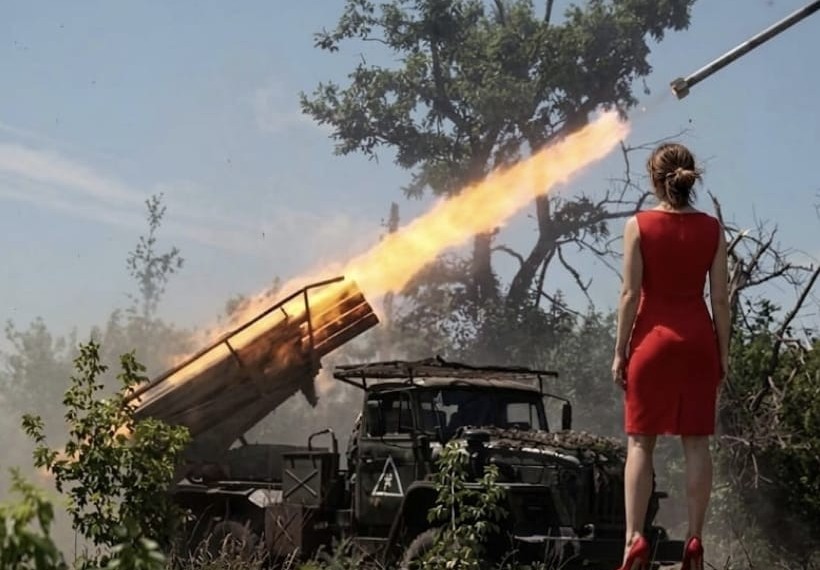
“We must warn Crimeans: there will be no gasoline — don’t hold your breath,” the Ukrainian Ministry of Defense wrote on social media, reporting that over the past four days, Ukrainian drones had destroyed 36 Russian vessels carrying fuel to the peninsula. And the occupiers’ attempts to counter Ukrainian airstrikes are now worrying people even more than the gasoline crisis and food prices. After all, mobile air defense units are patrolling all over Crimea and can open fire at any moment.
“There’s simply no escape from them. We have one kindergarten for several villages, and even that was closed because there’s no electricity or water. Sometimes I drop my little one off with his grandmother's, other times I take him to work with me. He’s bored out of his mind. Last night, we left work and headed to the playground, and there was a surprise waiting for us. They’d set up an air defense unit right between the slides. They’re waiting. I wish they’d just get on with it already,” says Elvina, a resident of the Kurmansky (Krasnogvardeisky) district, making no secret of her feelings toward the occupiers.