ENG


The only hospital in Kezlev (Yevpatoria) is overflowing with the wounded. The emergency room is flooded with casualties due to Russian air defense systems attempting to shoot down Ukrainian drones over residential buildings. However, the occupying authorities are concealing this fact, as well as the number of victims. According to CEMAAT sources, CT and MRI machines have been operating intermittently at the hospital for nearly a month, as generators are primarily used to power operating rooms and intensive care units. Electricity returned to the city center on Thursday, but blackouts have persisted for a week in the outskirts and nearby villages. Gasoline remains unavailable, and when it does appear, prices reach 350 rubles per liter. Kezlev is the city with the most sunny days per year and a center for children’s tourism, but now the local beaches are deserted. There are no tourists; moreover, the residents themselves are trying to leave for safer places.
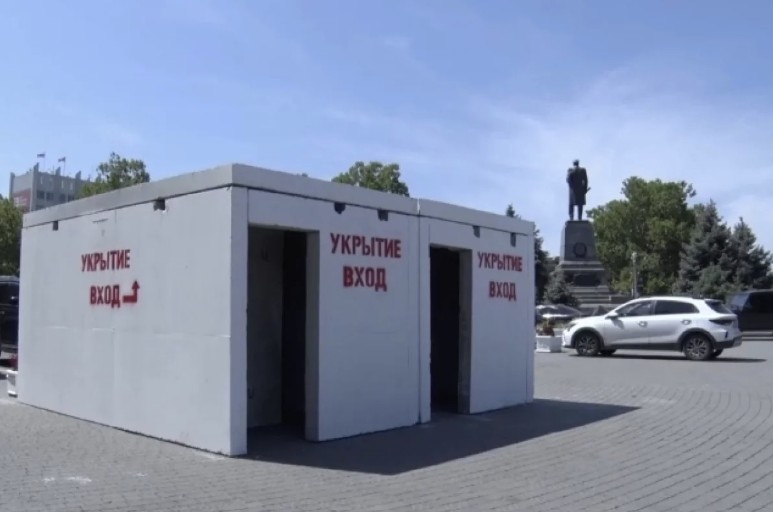
In Ak-Yar (Sevastopol), they began installing reinforced concrete shelters as early as last year. From the outside, they resemble public restrooms, and that is likely what sealed their fate. City residents felt a massive need for shelters this summer. But over the course of a year, the shelters have turned into makeshift public restrooms. So during an air raid alert, the choice is limited: either hide amid the filth or risk your life out in the open.
Food prices in coastal cities continue to rise: chicken breast has gone up from 400 to 600 rubles, and beef has crossed the psychological barrier of 1,000 rubles per kilogram.
In Dzhankoy, most food items are simply unavailable. Even the city center goes without electricity for 3–5 days at a time. In the private sector, people are installing generators en masse. Equipment sellers and… Russian scammers are making a tidy profit off this. They create well-designed websites with product catalogs, setting prices slightly lower than on legitimate marketplaces. There are even phone numbers you can call to speak with a “consultant,” whose professionalism raises no suspicions. The customer is then sent a QR code to transfer the money — and that’s the end of the purchase. However, even the lucky owners of generators can only run them for 1–2 hours a day due to the gasoline shortage. Only large retail chains can afford to keep their refrigeration equipment running at full capacity. Small shops sell only grains and beverages. Dzhankoy has never been a popular destination for Russian “colonists” since 2014, but here, as throughout Crimea, there are quite a few occupation officials, medical professionals, and teachers. Now they are taking their families back to Russia, and those who are not bound by an oath are leaving on their own.