ENG

The most common topic regarding the looting of cultural treasures in the temporarily occupied Crimea today is the barbaric development and removal of artifacts from the peninsula’s only UNESCO-protected site — the Chersonesos Archaeological Reserve near Sevastopol. Both Ukrainian media and the international press report on this from time to time. Unfortunately, this respected international organization is doing nothing to protect Chersonesos from looting. But Ukraine as a state and Ukrainians as a civil society cannot afford such indifference.
The Main Intelligence Directorate of Ukraine has created a website where you can not only search for looted items but also submit information about crimes yourself, making it easier to catch the criminals later. And the “NE/vkradene” (NOT/stolen - Ed.) project is taking things to a new level: we plan to highlight not only the collection of the Kherson Art Museum stolen by Russian occupiers. We want to bring to the public’s attention as much as possible of what Putin’s “liberators” have managed to loot since 2014.
Of course, the process of returning cultural treasures will be complex and, unfortunately, not quick, but we hope that this time the Russian occupiers will not get away with plundering our culture. That is why it is truly important to make the coverage of the looted art and cultural treasures loud and vivid. A court case in Poland brought the looter-archaeologist Butyagin to worldwide attention, but there are still plenty of “Butyagins” there — we must make them all known.
One of the most outrageous Russian crimes against Crimean heritage is the looting of the Suvlu-Qaya burial site, which Ukrainian archaeologists found intact and in good condition as early as 1995, but only began to thoroughly investigate in 2009.
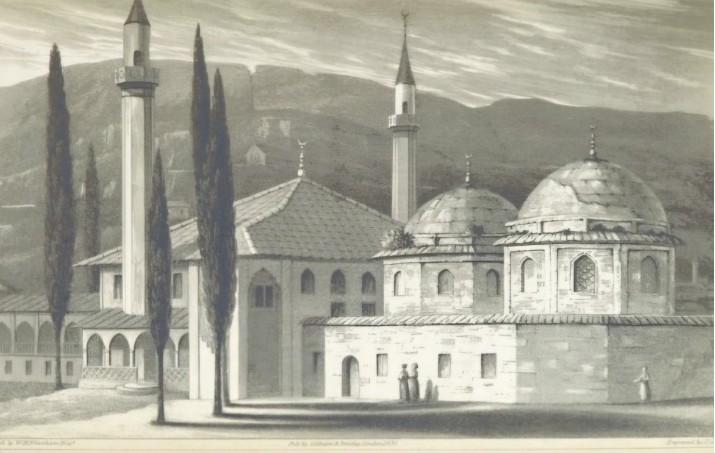
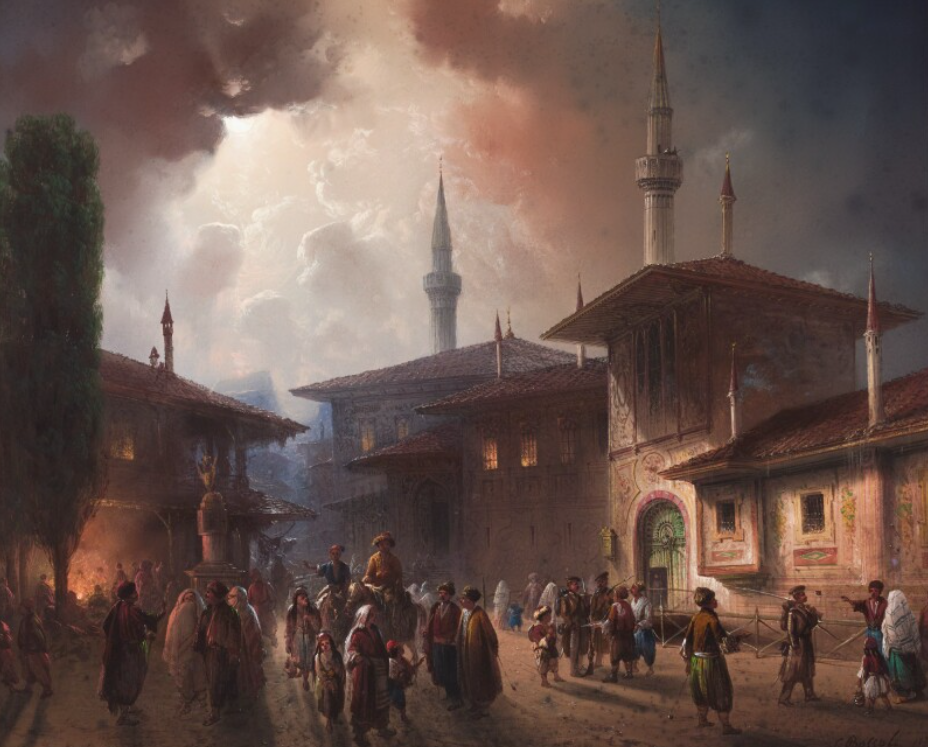
Suvlu Qaya — translated from Crimean Tatar as “water rock” or “rock rich in water.” It is a picturesque mountain, part of the inner range of the Crimean Mountains, located northeast of Bakhchysarai — from it, one can admire the Khan’s Palace and the old city.
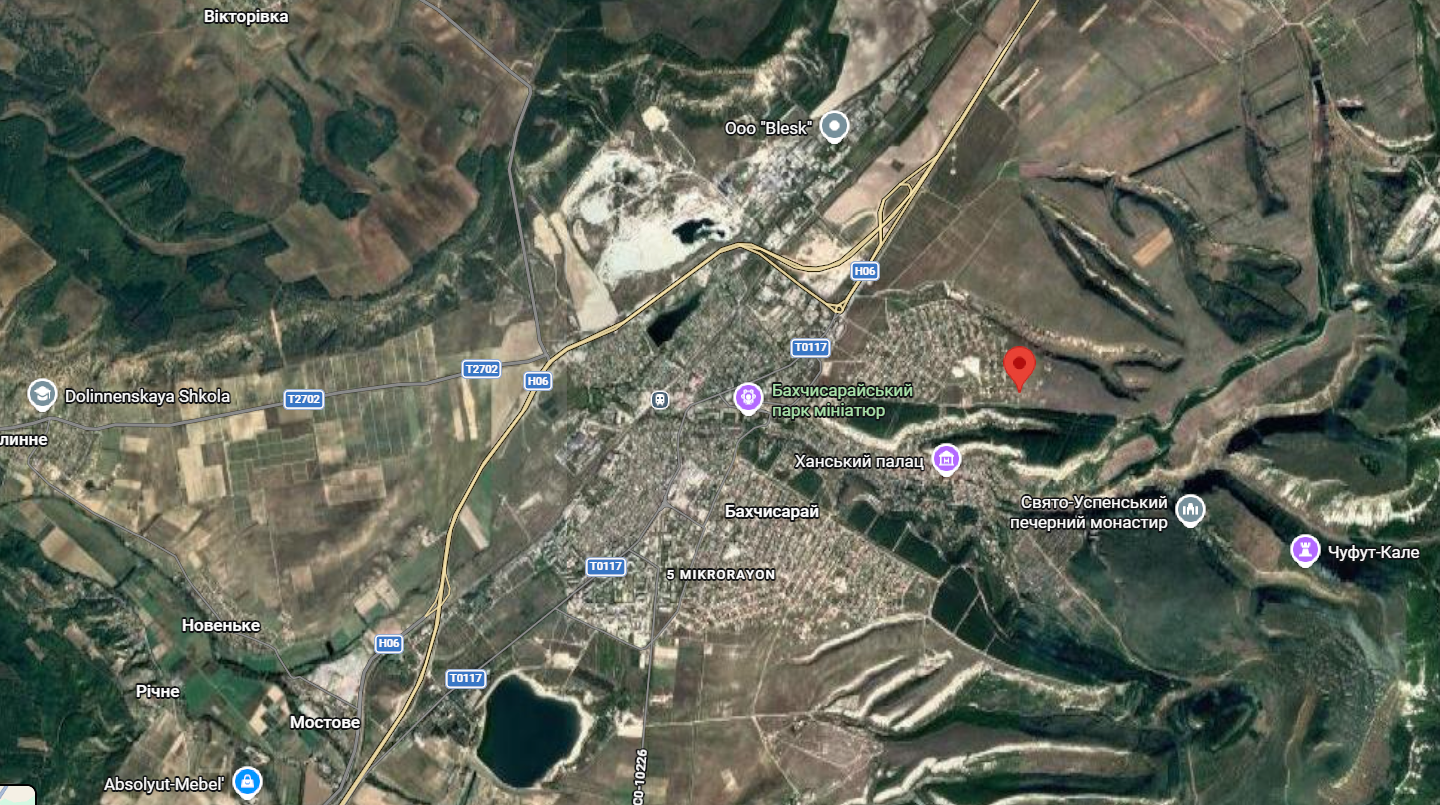
It is a massif with steep, jagged walls on one side and a gentle slope on the other, very popular among hikers and photographers. When viewed from below, the area is also called the Crimean Sphinxes.
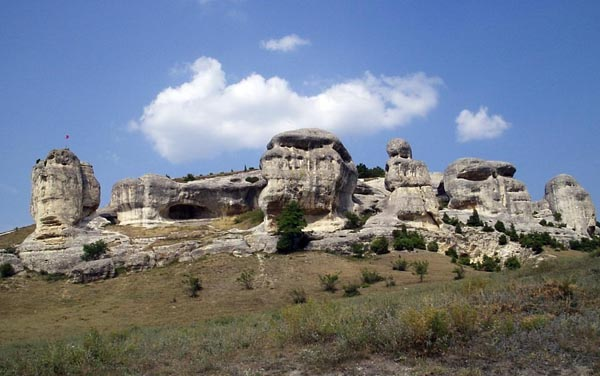
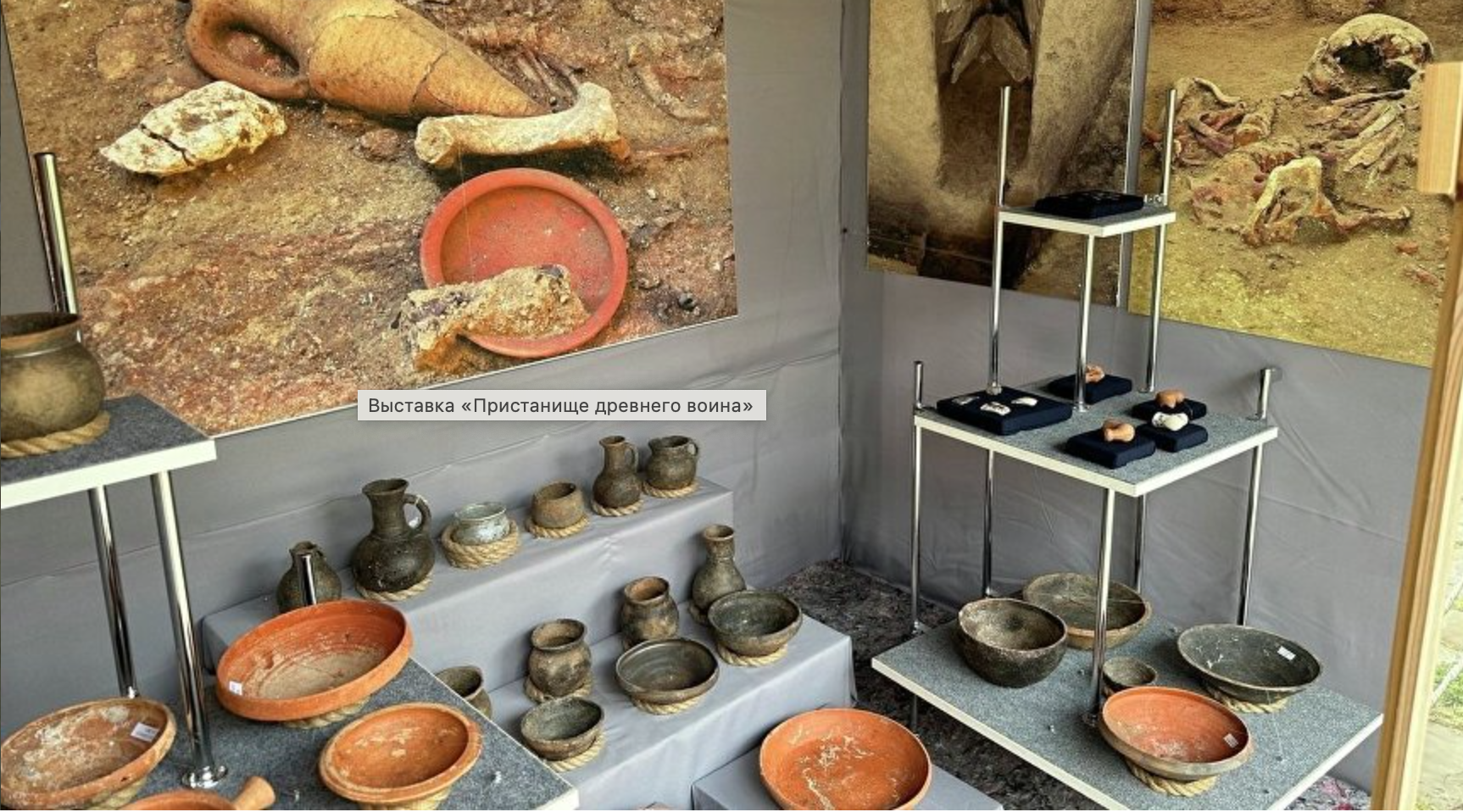
It was here that excavations began in 2009. The researchers were fortunate: over 40 graves from various periods spanning the 3rd to the 5th centuries AD, a rich collection of gold, pottery, and weapons. They dug carefully, thoroughly examined, and documented the collection in detail. Some of the finds, discovered before the occupation of Crimea in 2014, were transferred to the Bakhchysarai Historical and Archaeological Museum and even managed to tour Europe: the high-profile case of the “Scythian gold,” which was on display in Amsterdam and remained in the Netherlands until the conclusion of all legal proceedings in 2023. After that, the artifacts were returned to Ukraine, not to museums in occupied Crimea.

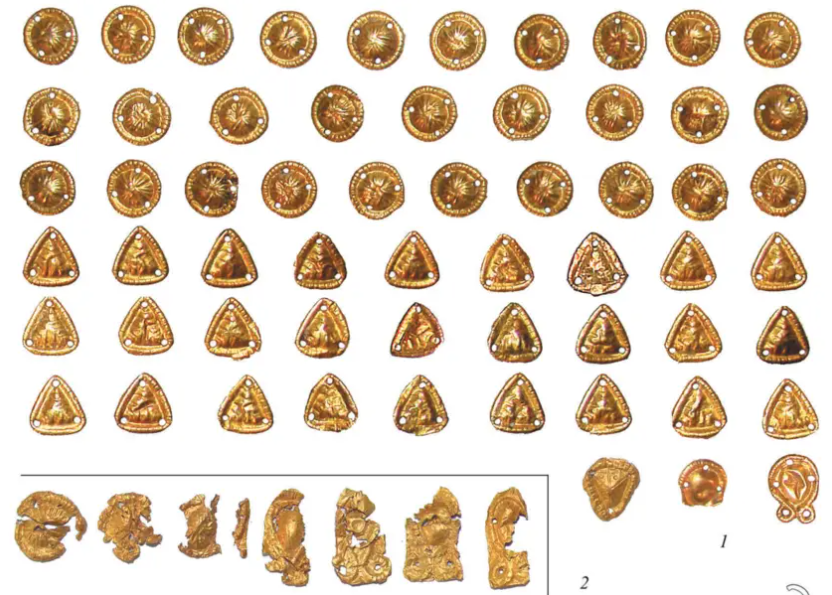
But a significant portion of cultural treasures began to be actively and systematically excavated during the Russian occupation — the occupiers appropriated them for themselves. Among them is a collection of gold jewelry from a women’s costume dating to the 2nd–3rd centuries AD. It is this collection that the Main Intelligence Directorate (GUR) is seeking as part of Ukraine’s cultural heritage, which was appropriated by representatives of the Russian Federation as a result of illegal excavations in the temporarily occupied Crimea.
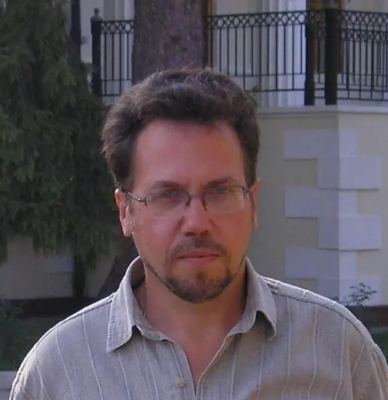
And here it should be noted that Ukrainian traitors are actively aiding the Russians in their looting. For example, Vadym Maiko, Ph.D. in History, who is currently the director of the so-called “Institute of Archaeology of Crimea of the Russian Academy of Sciences.” Maiko was born in Kyiv and is a graduate of Dragomanov University in Kyiv, where he defended his doctoral dissertation and spent his entire career. But now he is excavating and handing over cultural artifacts in Crimea to the Russians. The Main Intelligence Directorate has already inquired about Maiko’s activities in Crimea: “From 2014 to 2016, this individual received 22 permits from the Russian Ministry of Culture for illegal archaeological work on the territory of the temporarily occupied Crimean peninsula” — and it is well known exactly where excavations took place under the leadership of this traitor, who is already under the sanctions of Ukraine.
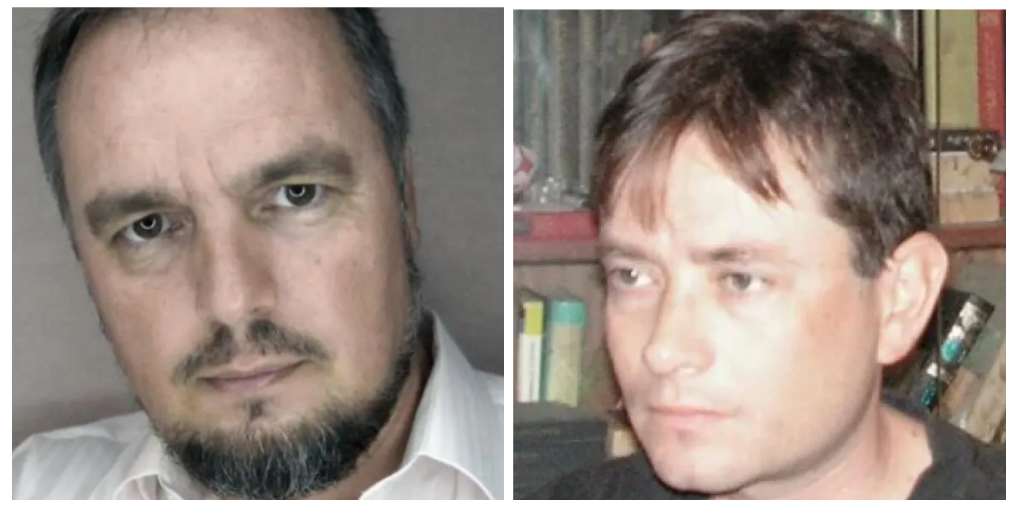
Other traitors — former Ukrainian archaeologists Oleksiy Voloshinov and Vyacheslav Masyakin — also participated in the plundering of cultural heritage at Suvla-Kaya. They are also under sanctions and wanted by the Main Intelligence Directorate.
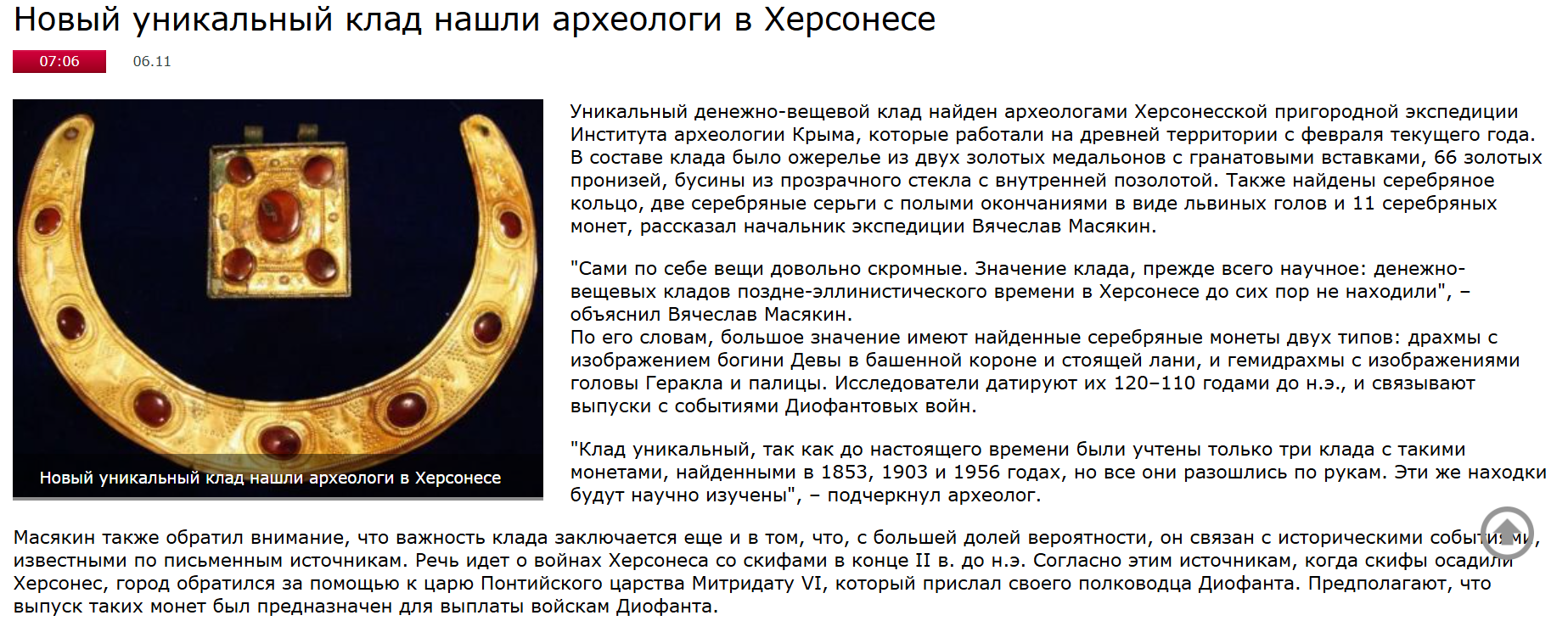
The occupation media in Crimea emotionally describe every find made by these traitorous archaeologists, so there is plenty of material on the plundered cultural heritage — the peninsula’s soil is rich in ancient artifacts, which cannot simply be “dug up”; they must be carefully studied, exhibited, and presented to humanity not only as examples of art and ancient history, but as evidence of the crimes committed by Russians and their collaborators.
Thieves must be caught in the act. Let's do it together.