ENG

In March, we lost historian İlber Ortaylı, and in April, the Crimean Tatar Mejlis — in its 35th year of existence — was officially recognized by the Ukrainian government as the quasi-parliament of the Crimean Tatars.
Two completely unrelated events, but both extraordinary for the Crimean Tatar world. And this raises the question: what is the Crimean Tatar world? And where are its boundaries?
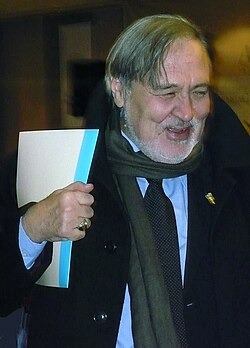
Scholars like Ortaylı are born, perhaps, once in a century. This Turkish historian of Crimean Tatar descent managed to transform academic scholarship into pop culture, which is why his name is as familiar to Turkish youth as those of Instagram influencers and YouTubers with millions of subscribers. Ortaylı headed the Topkapi Museum in Istanbul (the first palace of the sultans) and rekindled Turks’ interest in the Ottoman period of their history, becoming a weekly guest on one of the most popular talk shows on Turkish television, “Teke Tek.” It ran for over 30 years. Ortaylı served as a guide for Queen Elizabeth II of the United Kingdom during her visit to Turkey. A Crimean Tatar born in an Austrian prisoner-of-war camp after World War II, he became 100% Turkish…
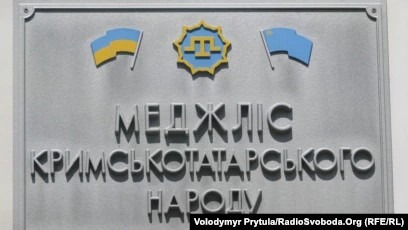
The Mejlis of the Crimean Tatars was established under Gorbachev. It managed to oppose the State Committee on the State of Emergency, supported Chornovil against Kravchuk, and later Kravchuk against Kuchma. Having tacitly supported Kuchma against Symonenko, the Mejlis received its first recognition in 1999. Ukraine’s second president did not dare to grant it the status of a representative body of the Crimean Tatars, but he did grant the Mejlis the status of an advisory body to the head of state. Having supported Yushchenko in 2004, the Mejlis received nothing but the third president’s disregard for the problems of the Crimean Tatars, and under Yanukovych, it lost even what had been achieved under Kuchma. And now, in its 35th year of existence and the 13th year of the occupation of Crimea, it has officially become the representative body of the people. A people from whom it is now separated by occupation and war…
The news of Ortaylı’s death shocked Turkey. For a week, it remained on the front pages of websites and newspapers. Only the dead or the mute remained silent about İlber Ortaylı. An attempt by some Turkish propagandists to discredit the historian met with a storm of outrage from both the secular public and conservatives. Ortaylı was buried in the necropolis of the Sultan Fatih the Conqueror Mosque, putting an end to the debate over his role in Turkey. But all the fuss surrounding his name turned out to be an internal Turkish affair. In Crimea, Ortaylı’s death went largely unnoticed, and numerous Crimean Tatar opinion leaders in Kyiv did not utter a single word about the passing of the celebrated historian. For the Crimean Tatar public in Kyiv, Ortaylı does not exist. Virtually no one has read his books, seen his TV appearances, or knows the face of the man who became a meme in Turkey.
Not a single Turkish media outlet reported on the Mejlis’s recognition, and if it weren’t for the turkish QHA — which is actually owned by Ukrainians — this news would have gone unnoticed in the Turkish media landscape. And yet, for 35 years, Turkey has been considered the country with the largest Crimean Tatar diaspora, numbering either 2 million or 10 million…
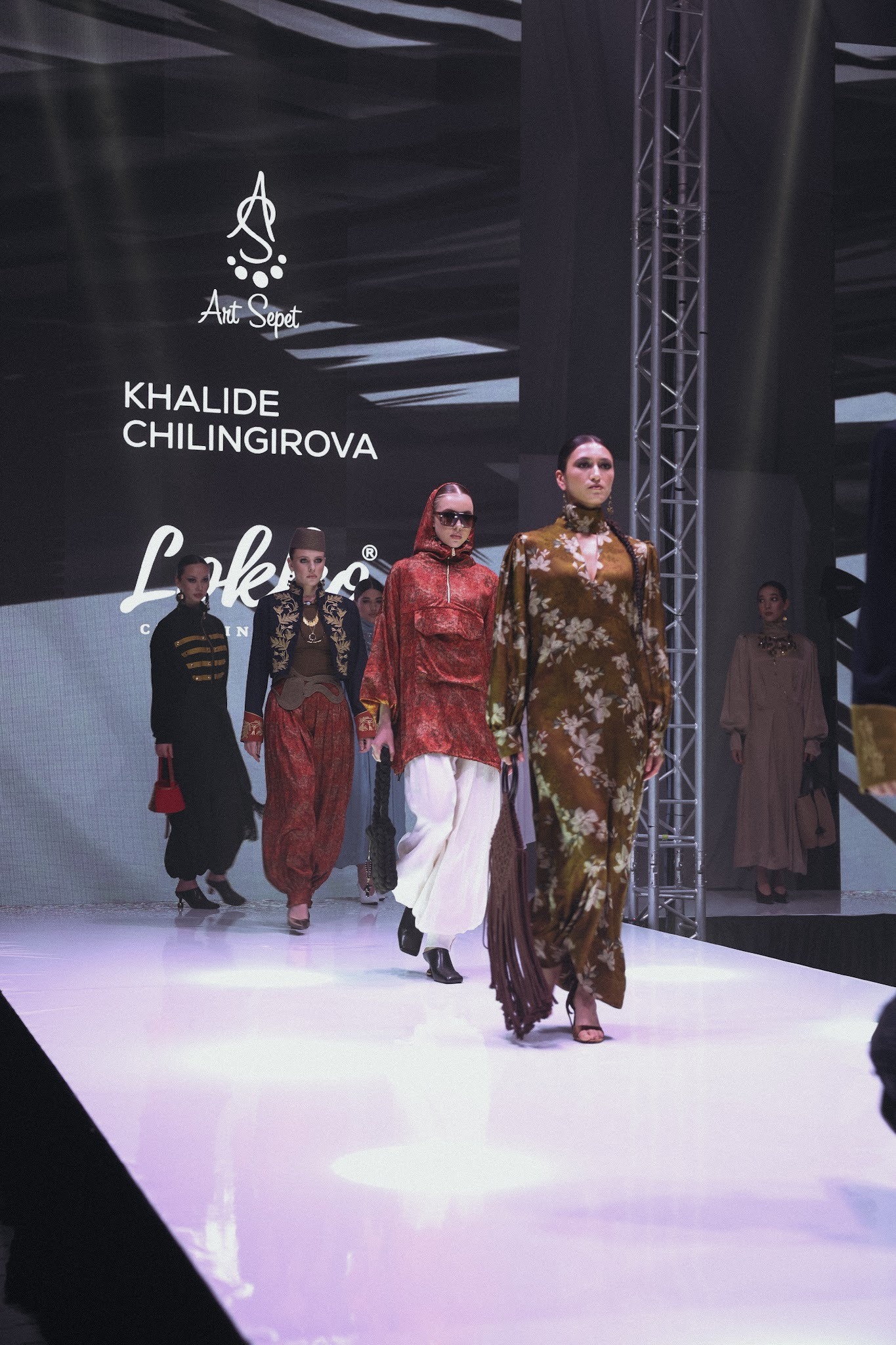
Meanwhile, Crimea goes about its business. In Simferopol and Stary Krym, long-awaited concerts by Gulizar Bekirova were held to mark the 50th anniversary of her creative career. The URBA Fashion Crimean Tatar Fashion Days turned into a grand festival, bringing together the entire prominent segment of the Crimean Tatar community.
The intellectual community has been eagerly awaiting the release of a memoir by the sister of the repressed genius of Crimean Tatar poetry, Bekir Choban-zade, and in the coming days, the festival of Crimean Tatar business achievements, “Aqmescit Bazaar 2026,” will serve simultaneously as a gathering of the business elite, a folk festival of Hıdırlez, and a platform where pop artists will present new compositions to the public…
These events and the reactions to them show that the mainland “portion” of the Crimean Tatars has turned into yet another diaspora, cut off from the people. Of course, this isolation is not yet as dramatic as in the diasporas of the Polish and Lithuanian Tatars, who, over 600 years of living in the lands of the Polish-Lithuanian Commonwealth, lost everything: from language to religion. But what has already happened in Romania and Turkey is now unfolding at an accelerated pace with the Kyiv diaspora — the official languages of these countries have supplanted Crimean Tatar, and the communities themselves have long been an integral part of Romanian or Turkish society, with little interest in what is happening in Crimea…
There is no condemnation or accusation in these conclusions. Such is the reality that scatters the already small number of Crimean Tatars across different cultural spheres. The same path awaits the new diasporas in Europe. The experience of life in exile has shown that Crimean Tatars do not create their own ghettos, but integrate as fully as possible into the life of the country where they find themselves. But this also poses a challenge — the integration of Crimean Tatars often amounts to rapid assimilation.