ENG

Leo Efetova, Karaim activist in Berlin
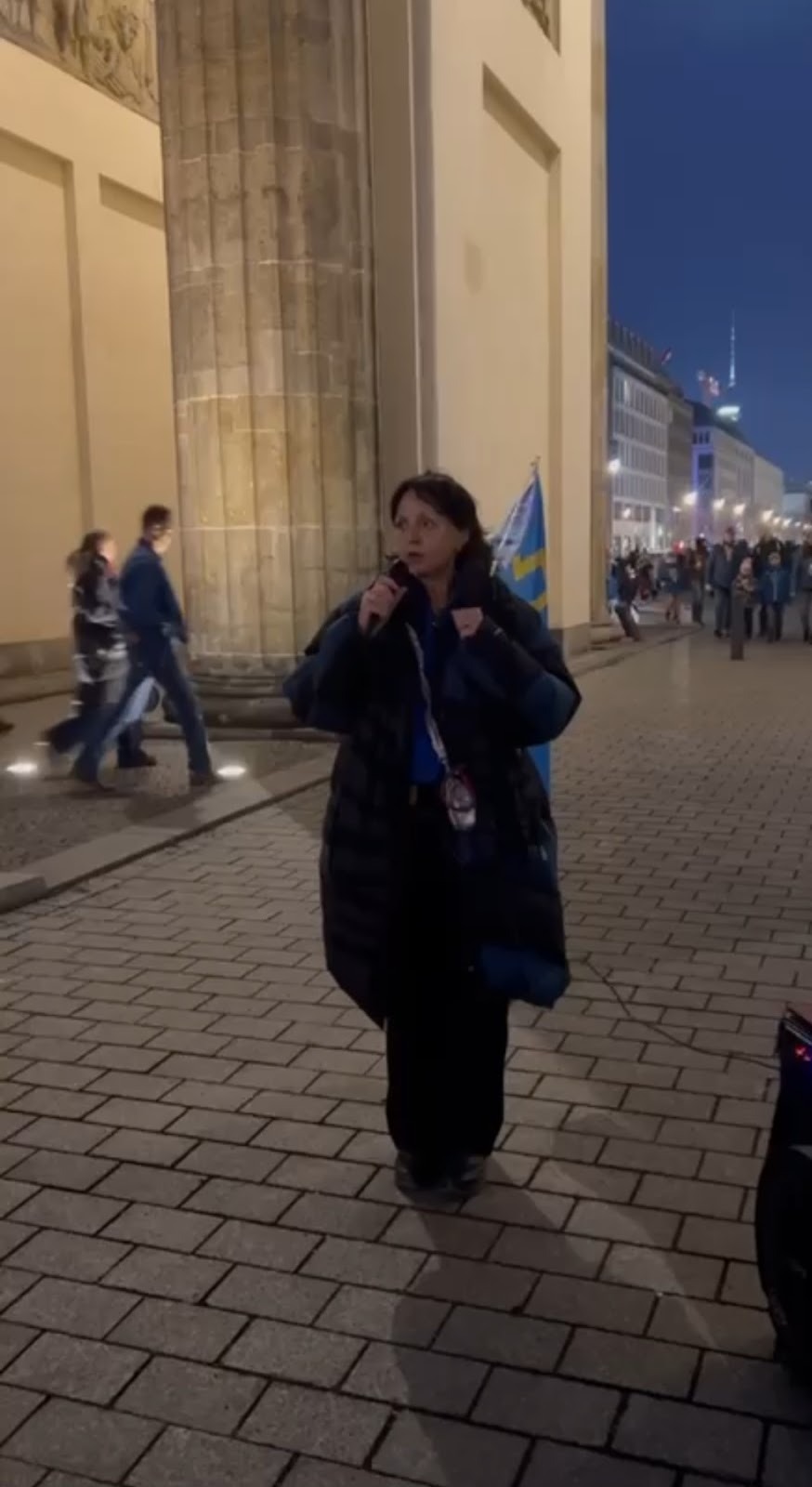
She was born in Moscow. She has lived in Germany since childhood. But she considers Crimea her homeland. Leo Efetova is a Karaim.
She used to communicate regularly with Crimean Karaim, but in 2014, these ties were severed: the Karaim organization on the peninsula proved to be more loyal to the occupiers than Leo.
"They (the Crimean Karaim community - Ed.) explain this by saying that the community is small and they need to survive. I find it difficult to agree with that."
Our conversation took place after information emerged about Saha Mangubi, who was kidnapped by the Russian occupiers back in November 2024. For a year and three months, there was no information about her, until February 2, when the mother of two minor daughters was accused of “treason.” Saha became the first Karaim political prisoner and joined the list of Russian crimes against indigenous peoples.
"This has happened before. The Karaims were also deported and shot. There is a myth that the Karaims were the favorites of the Russian authorities, but how did it happen that out of the 14,000-strong community that was in Crimea a hundred years ago, there are now fewer than a thousand?"
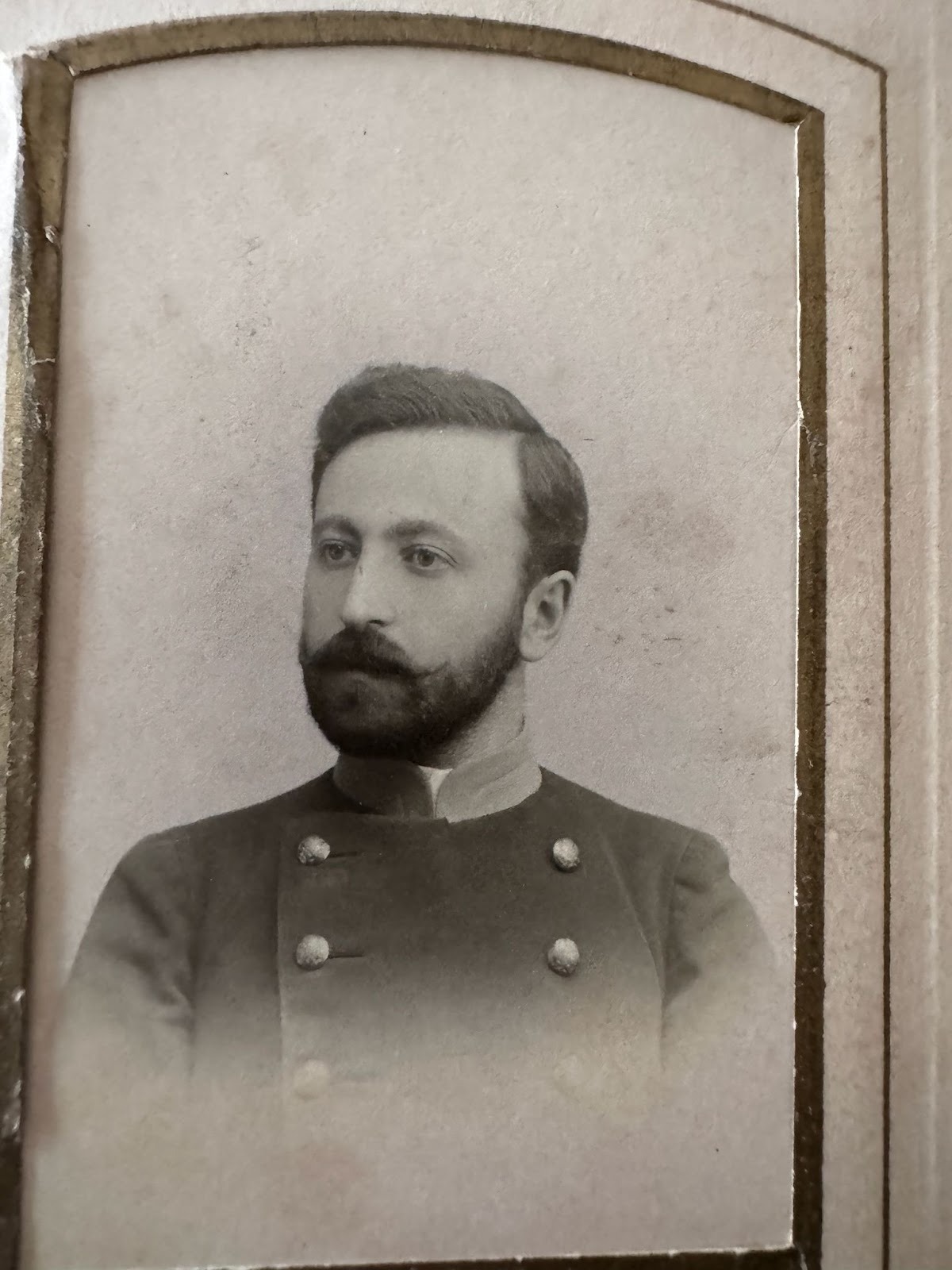
Leo knows about the Karaims from the stories of her father and grandfather. After the war, the family ended up in the Urals. Leo still does not know the reasons for this. She is sure that it was deportation, about which nothing is known to this day. Her great-grandfather was the famous orientalist Semyon Efetov. He taught the Crimean Tatar language at a teacher training institute until the deportation of the Crimeans in 1944.
Leo says that in her entire life in Germany, she has only met two other members of her people, but they were not interested in this part of their identity. Efetova is the only Karaim activist in Berlin and has sought solidarity in various communities over the years.
"I went to Shabbat services in Jewish communities. But I felt that I had to be Jewish there, and I am Karaim. Now I am trying to be closer to the Crimean Tatars in Germany. We have a lot in common. We were all formed in Crimea."
Leo is emotionally affected by the Great War and is convinced that only the complete decolonization of Russia will allow the victims of the empire to survive. Without the elimination of Moscow's imperial project, neither the numerous Ukrainians nor the small number of Karaim will survive.
“I want to establish ties with the Melitopol community, whose representatives have left for the territory controlled by Ukraine. Before the Great War, I was in Lithuania with my son. The community there is very lively, but they have been living there for over 600 years and have their own life and culture.”
Leo is convinced that only joint action and solidarity among the small ethnic groups will allow them to be heard. The Karaim and Krymchaks, Romeans and Urums are, in fact, a disappearing breed. The Great War engulfed the last pockets of freedom for these peoples, who lived outside Crimea only in southern Ukraine. Now this part of the south is also occupied.
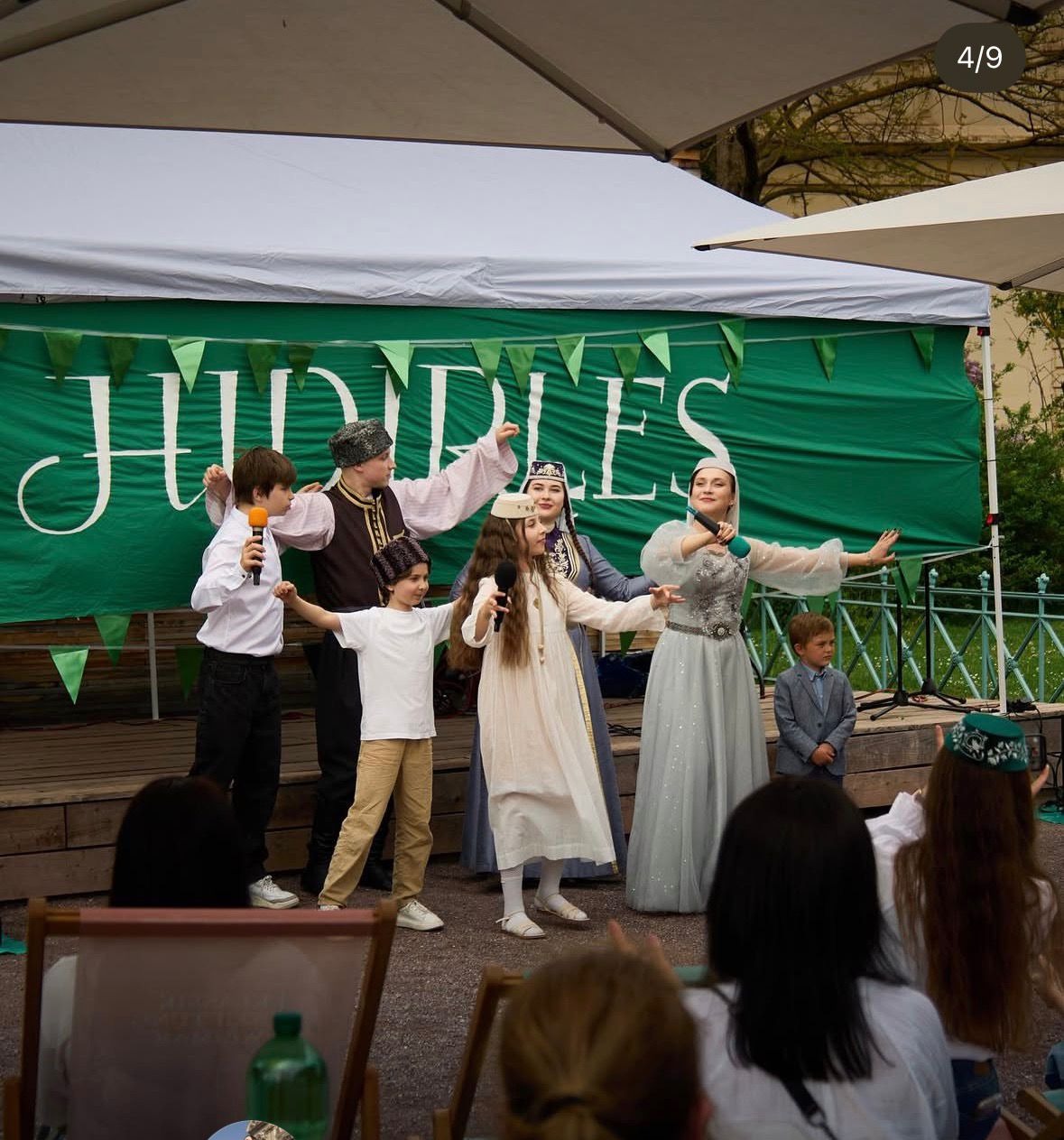
Leo is now working with German Crimeans to create an online book club called Altın beşik (Golden Cradle) to collect rare literature about the Crimean Tatars and Karams.
"I'm not going to become a Crimean Tatar, but it is with the Crimean Tatars that I feel what sets me apart from others. In Moscow, I didn't hear the Karaim language spoken in my family, but even details such as searching for coffee made in a cezve, which we went to another part of the city for, and home cooking, and some family photos - all this showed that I was different. All this showed me that I was neither Russian nor German. I am Karaim."


.jpeg)
