ENG

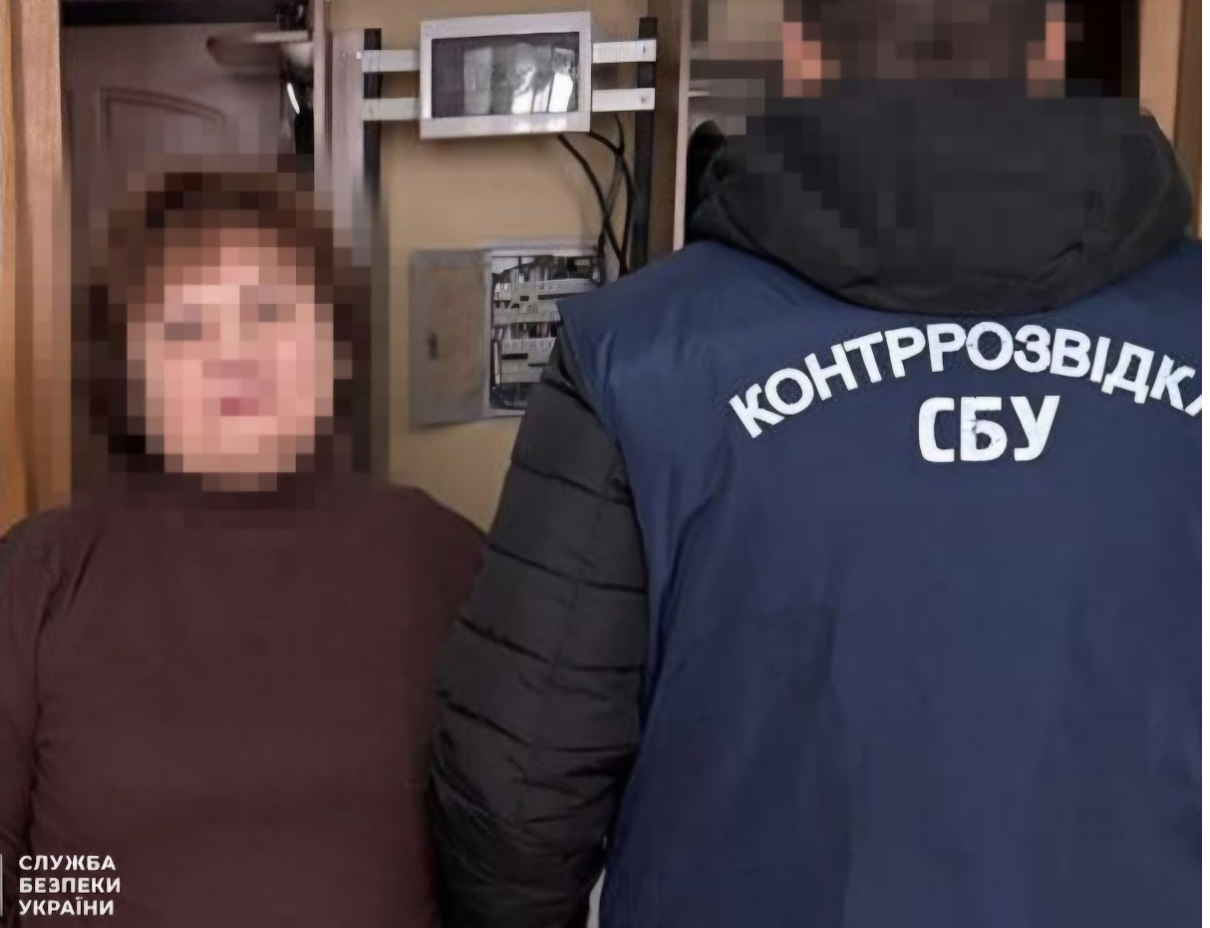
"This happened very unexpectedly. Svitlana Mykolaivna once mentioned her mother in a conversation, saying that her mother was old and ill, they hadn't seen each other for a long time, and she missed her very much... But it never occurred to me that she would go to see her," says Tetyana, a resident of Yalta whose daughter is graduating from the Raduga (rus. ‘Rainbow’ - ed.) school, who does not hide her sympathy for the school's principal. In January, Svitlana Turlakova was arrested in Kyiv, where she had gone for the New Year holidays to visit her mother and friends.
According to Tetyana, there are not many open supporters of the principal left at the school. Most parents and teachers prefer to remain silent, but there are also those who are seriously outraged by her actions.
"Even in our class, there is one very aggressive father. He says that we didn't see through her, that this is probably not her first trip there, and, of course, she has a Ukrainian passport. I am a car mechanic, and I burned mine back in 2014, but she kept hers. She's been waiting for Ukraine, or maybe she worked for the SBU. The logic is ironclad — she worked for the SBU, that's why she was arrested," Tetyana says with a bitter smile.
On all official websites, Svitlana Turlakova is still listed as the director of Yalta “Raduga” School No. 14. However, she has been in a Kyiv prison for four weeks now.

Turlakova was detained in a rented apartment on the outskirts of the capital and arrested for two months. She was charged with “collaboration.” In the report on the arrest, the service explained that the director had implemented Russian propaganda and the educational standards of the occupying state. The school's website and social media pages clearly show that this was indeed the case.
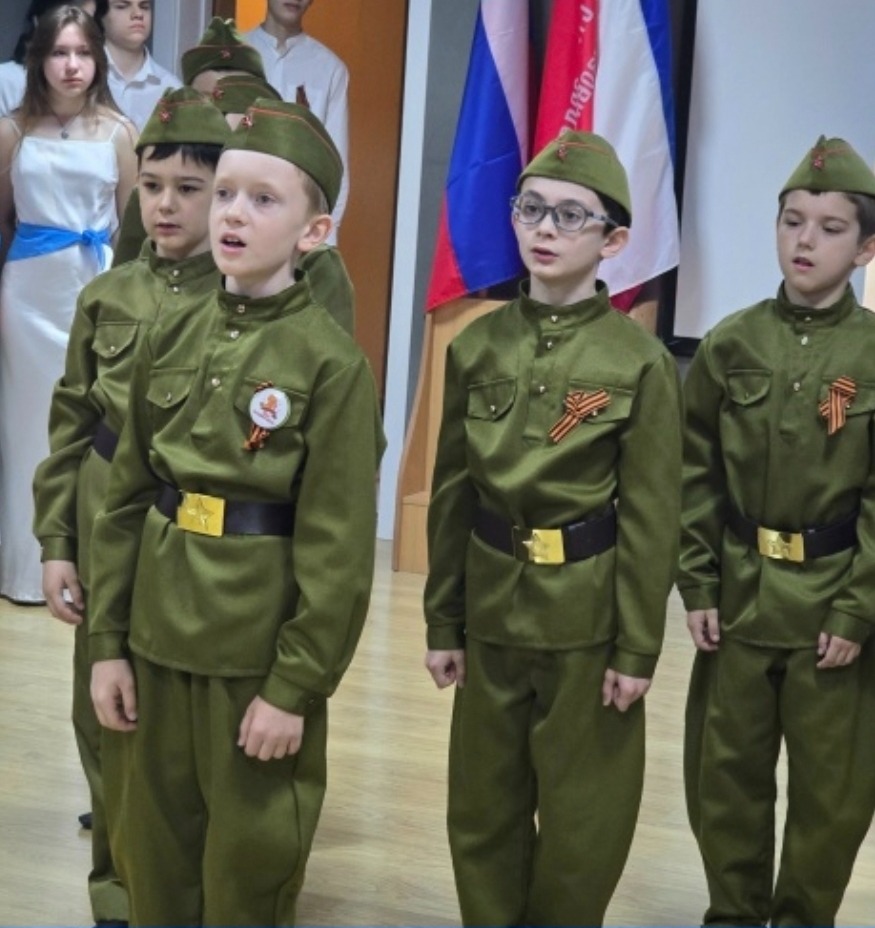
Here are children dressed in Soviet soldier uniforms with “Colorado” ribbons singing something “patriotic.”
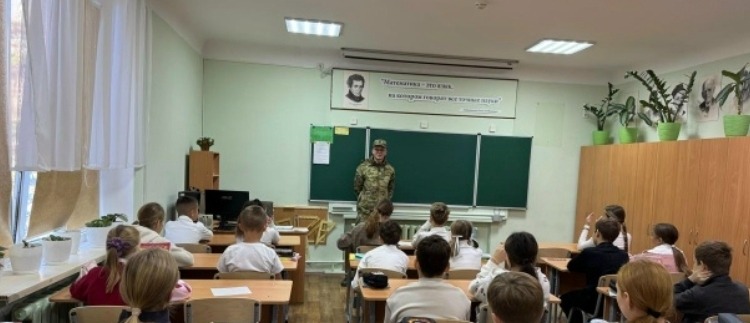
Here, they listen to the story of a “hero of the SMO” (special military operation - ed.).
Here they play the military game “Zarnitsa.”
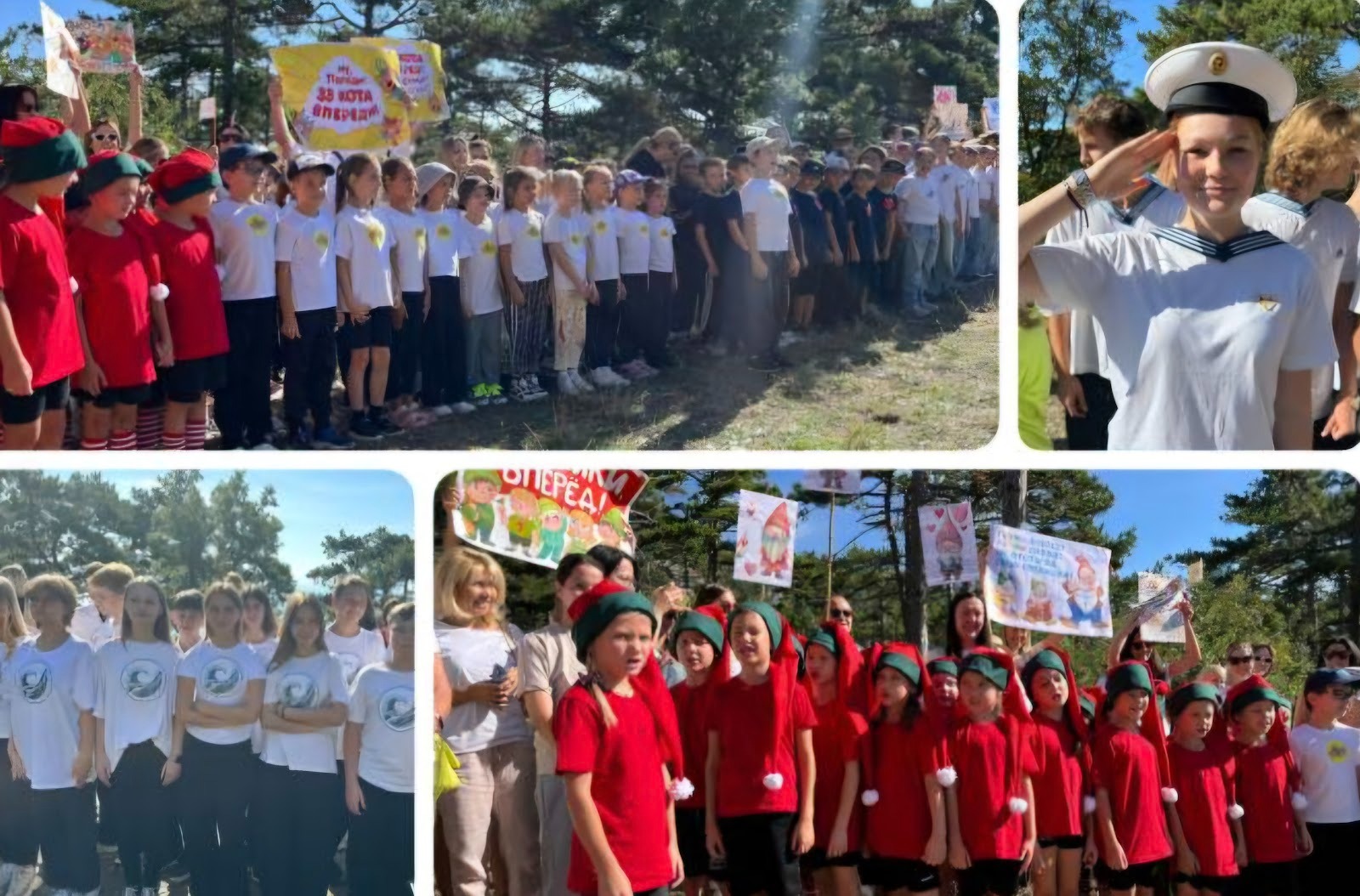
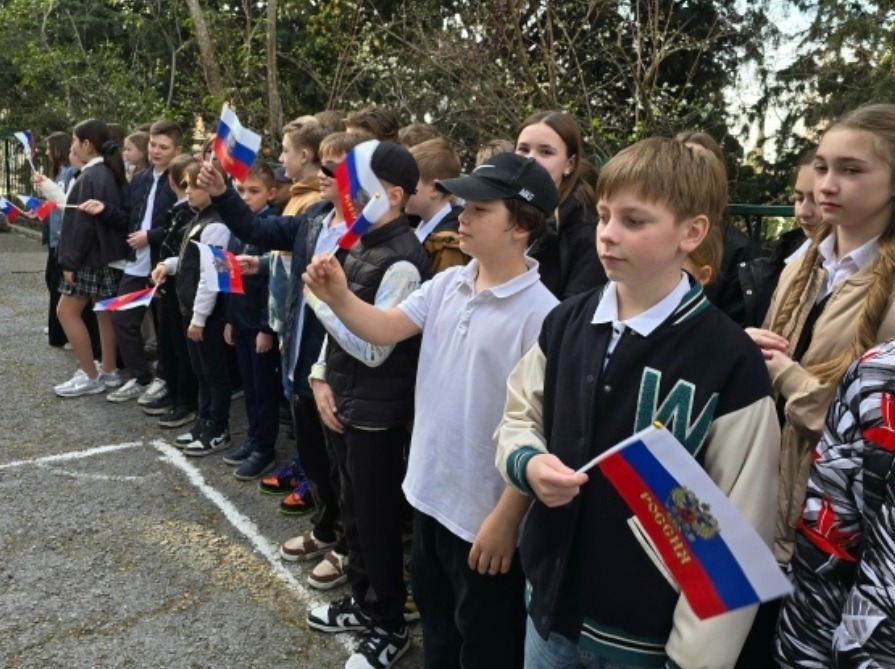
Here, they cheerfully wave Russian flags at the “line-up.”
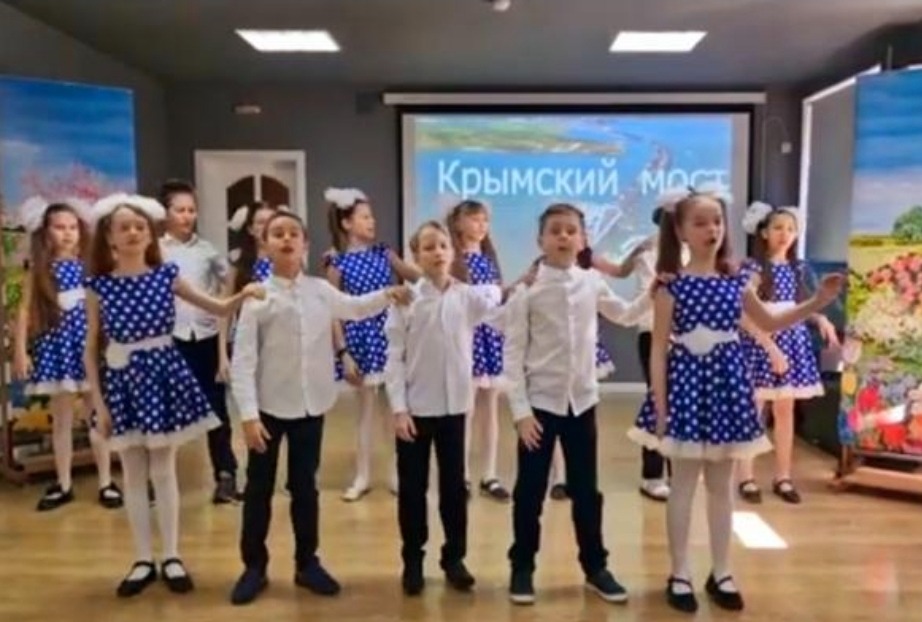
Here they perform the song “Crimean Bridge”, Gazmanov's propaganda “masterpiece”.
There is not a word about the director's arrest on the school website. “Probably, they are waiting for instructions from above, and nothing has been decided yet,” suggests Tetyana, the mother of a high school student.
The occupying authorities commented on Turlakova's detention only at the very beginning, and rather half-heartedly. Only Yalta Gauleiter Yanina Pavlenko expressed sympathy on social media for the “wonderful teacher with 46 years of experience,” while the Crimean ‘ombudsman’ and “ministry of education” mumbled something about human rights and advised Crimeans not to travel to the mainland.
“I don't go there anyway,” says Olga, a teacher from Simferopol. Her friend lives in Odesa, having moved there with her family immediately after the occupation. "First, you have to go to Georgia or Turkey, then to Romania; it's going to be an expensive trip. Before the war, we visited each other several times a year. In February 2022, we dreamed that we would see each other even more often now that Ukraine had launched buses to Chongar. Our joy was short-lived,“ Olga sighs. When asked if she would be afraid to visit Odesa now if it were cheaper, the teacher replies: ”It's a little scary, but they have a private house, a generator, and a reliable basement. Are you talking about an arrest? Why would they arrest me? Yes, of course, we work according to the Russian curriculum, but is that a crime? We didn't come up with it."
“This is a lesson for all Crimeans,” says a Crimean human rights activist, whose name we are not revealing for security reasons. "Back in 2014, I tried to explain to my friends, relatives, and neighbors that Russia needs Crimea solely as a springboard, an ‘unsinkable aircraft carrier,’ and that they will use us and then throw us away. But all I heard in response was talk of a ‘home harbor’ and 'stones from the sky.' The propaganda worked well. If only Ukrainian counter-propaganda had been half as effective," the interviewee sadly notes. He is convinced that most of his fellow countrymen still do not realize that any cooperation with the Russians must and will be regarded by the Ukrainian authorities as collaborationism.
“You don't have to become a ‘hero of the SMO’ or pass sentences on political prisoners,” explains the human rights activist. “If you celebrate ‘Victory Day’ with your students, excavate Chersonesos without Ukrainian permission, supply food to the occupiers, or treat them in a military hospital, be prepared to answer for it. And no Moscow will help you.”
There has been no official comment from Moscow on the arrest of Svetlana Turlakova. Only Mikhail Sheremet, a State Duma deputy from Crimea, gave an interview to the propaganda outlet TASS, expressing hope that Russia would use “levers of international influence on the situation.” Since January 15, Turlakova's name has not appeared on Russian news sites.