ENG

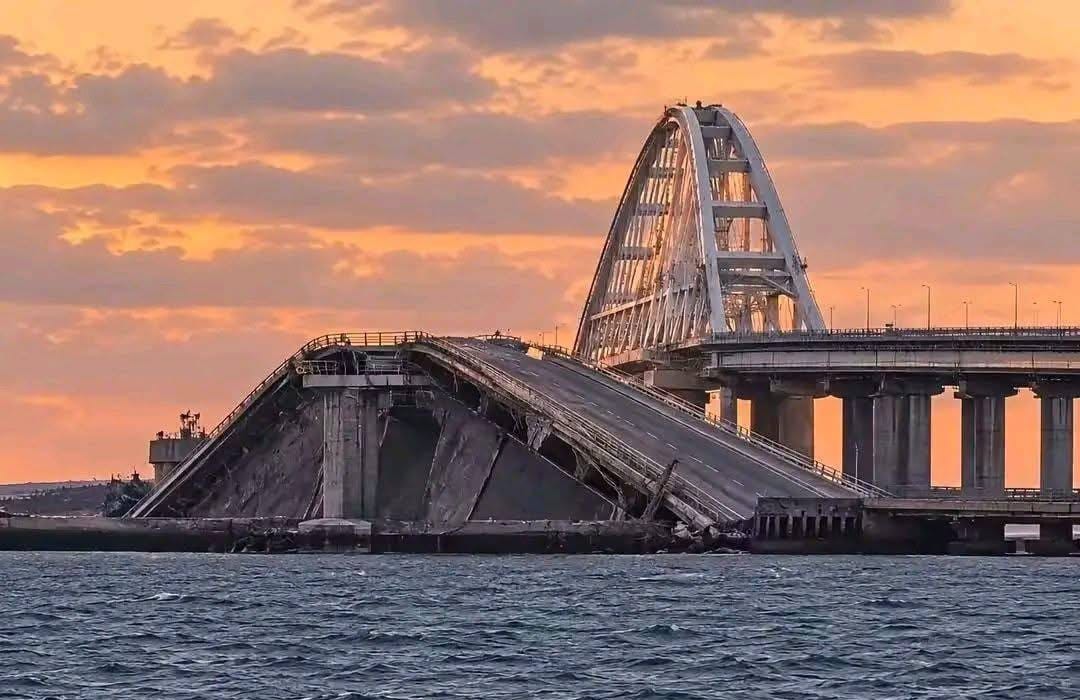
“The Republic is fully supplied with food and medicine, and deliveries are proceeding without interruption,” said Oleg Kryuchkov, an advisor to Gauleiter Aksyonov, two days after the destruction of the Kerch Bridge. At that very moment, Crimeans were actively buying up flour, sugar, and grains. As usual, the occupiers blamed the residents themselves for the empty store shelves and imposed restrictions on the purchase of basic foodstuffs. However, the panic is well-founded. Crimea barely produces enough grain and vegetables to sustain itself. The situation is much worse when it comes to livestock products. Only one-third of the dairy products and one-quarter of the meat products consumed on the peninsula are actually produced there. Everything else is imported from the Russian mainland.
Back in 2022, after the first explosions on the bridge, trucks were banned from crossing it. But until the spring of 2026, this wasn’t a major problem: trucks moved freely through the occupied territories of the Donetsk, Zaporizhzhia, and Kherson regions. Small business owners, meanwhile, transported goods to their stores across the bridge in passenger cars. When Ukrainian troops took control of the land route, logistics became riskier and, consequently, more expensive. Naturally, the transportation costs were passed on to consumers. Cheese and meat, cookies and sausage in Crimea began to cost one and a half to two times more than in the neighboring Krasnodar Krai, so Crimeans began practicing “food tourism”: on weekends, families would drive to Taman and stock up on groceries there for a week, or even several weeks. Even with the fuel shortage, it was still cost-effective. Now everything has changed. Driving a car to the Russian mainland is no longer “food tourism” — it’s extreme tourism. And delivering goods to Crimea by truck has become nearly ten times more expensive than before.
“A truck from Moscow that cost 150,000 rubles last year, 700,000 a week ago, now costs 1,200,000. Let me repeat: one million two hundred thousand! A ‘Gazel’ van costs 300,000–400,000. And good luck even finding one. I don’t even try to haggle. Almost all the drivers have PTSD, so you have to talk to them very delicately, as if they were sick children,” says Alexei, a logistics specialist at one of Crimea’s retail chains, sharing the nuances of his current job.
“The price is justified — and post-traumatic stress disorder is a given,” assures Elena, a Crimean resident. Her husband worked as a long-haul truck driver his whole life. Now he’s effectively unemployed.
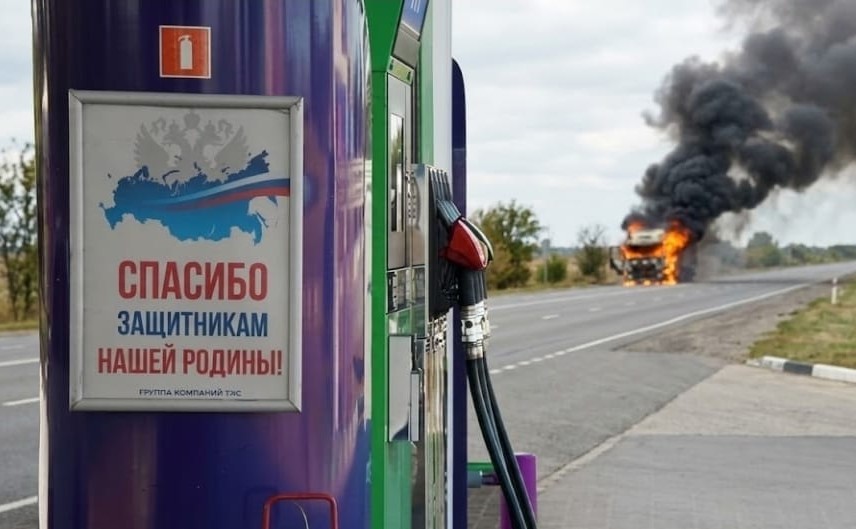
“In July, our friend died while driving a fuel tanker. My husband hasn’t recovered from it since. He says: ‘I won’t drive on the R-280 (the “Rostov-on-Don–Simferopol” highway, which runs through Mariupol and Melitopol — Ed.) for any amount of money.’ And I support him — my children need their father, not millions. He used to love that highway so much... “He used to say: ‘There aren’t even roads like this in Germany.’ It’s still beautiful, but the potholes and burned-out trucks spoil the picture a bit,” Olena says with an ironic smile.
In recent days, another problem has been added to the difficulties on the R-280: passenger cars that used to drive across the Kerch Bridge. After six months of Ukrainian attacks, drivers who regularly use the highway have developed their own rules of the road. The main ones are to stay away from military vehicles and drive at a speed of about 140 km/h. “Newcomers” are introducing elements of chaos into this “order.”
“I don’t even know who I’m more afraid of anymore — Ukrainian drone operators or these ‘tourists.’ Yesterday, an old lady was driving right in front of me at 80 kilometers per hour because she was glued to her phone, and coming the other way — some idiot came barreling toward us at 200. And it’s not even winter yet — I can’t even bear to imagine what it’ll be like when the ice sets in,” one Crimean driver wrote on social media.
These fears are justified: transport companies describe the overland route from Russia to Crimea as an area of extreme weather. Freezing rain, winds, and black ice often make the Rostov–Mariupol stretch virtually impassable. And for some drivers, slowing down on a slippery road means becoming an easier target for drones. Meanwhile, winter has already begun at sea. The storms for which the Kerch Strait is “famous” are raging in full force. Consequently, the ferries are at a standstill. However, even in good weather, drivers aren’t thrilled about the crossing. Olena, the wife of a long-haul trucker, recalls how her husband transported a shipment of sugar across the strait in September.
“It took him three weeks to drive from Krasnodar to Simferopol. Of that, as you can imagine, the drive itself took half a day. He spent the rest of the time stuck in line — in the middle of fields. And there were mice in the fields. Not only did they eat half the cargo, but one even crawled into his pants while he was sleeping. In short, ferries aren’t an option either, nor is the highway…”
The woman recounts all this on the condition of complete anonymity. Complaining about life — even to neighbors in Crimea — is no longer the done thing: the first complaint to the FSB, and all previous problems will seem trivial and insignificant. And according to information from official occupation sources, everything is going wonderfully; there are simply “certain logistical problems.” The picture of the world that Russian propaganda paints in the minds of not-so-discerning Crimeans is striking.
“I was at the store today — they have everything: bread and milk. What else do we need? Well, vegetables — but we’re hardworking people; we grow everything ourselves. And if we’re short on anything, Russia will always help out, bring us what we need, and feed us. If only Ukraine wouldn’t be meddling with us… Is the bridge destroyed? Don’t talk nonsense. The bridge is still standing; only a small section is damaged. It’s no big deal — as soon as the storm is over, they’ll fix it right away,” reassures Maria Mikhailovna, a retiree from Kerch. And all the truckers can do is envy her optimism.