ENG

Iranian protesters killed in Tehran
"Iranian patriots, keep protesting - take over your government institutions! Remember the names of the murderers and rapists. They will pay a heavy price. Help is on the way," Donald Trump said to Iranian protesters in January. The help he promised got lost along the way. Tens of thousands of Iranians paid with their lives, health, and freedom for the uprising against the Islamist regime. Average estimates put the death toll at 17,000. The Islamic regime officially recognizes just over 3,000. The human rights organization Iran International claims 36,000, based on internal data from the Islamic Revolutionary Guard Corps. The US-based Human Rights Activists News Agency, which counts the dead by surname, had identified nearly 7,000 names of the dead by early February.
This number of victims is extremely high even for dictatorships. For example, in 1989, China rolled tanks over about 1,500 Chinese students demanding change in the country on Tiananmen Square in Beijing.
Ayatollah purges the regime
The authorities tried to declare the December-January protests an attempt at a coup d'état. However, reformists blamed the violence on the authorities and personally on Supreme Leader Ali Khamenei. In early February, arrests of the liberal wing of Islamists began, and we are not talking about the opposition, but about people who had worked within the system for many years. Among them was former Iranian Deputy Foreign Minister Mohsen Aminzadeh, who worked in the government of President Hassan Rouhani.
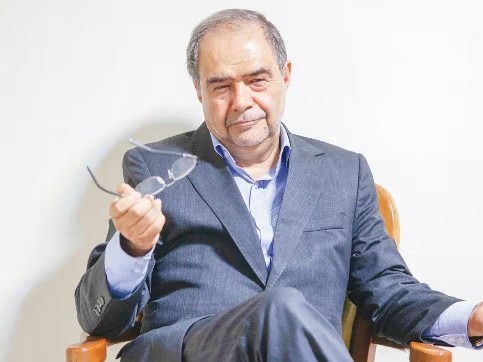
Along with him, three other well-known politicians who demanded reforms were also imprisoned. None of them were involved in the protests. However, they are now accused of “spreading defeatist sentiments” and “acting in the interests of the US and Israel.” The question now is whether the regime will stop at this level of repression or extend the crackdown and imprison the top reformists: former President Hassan Rouhani and former Foreign Minister Javad Zarif.
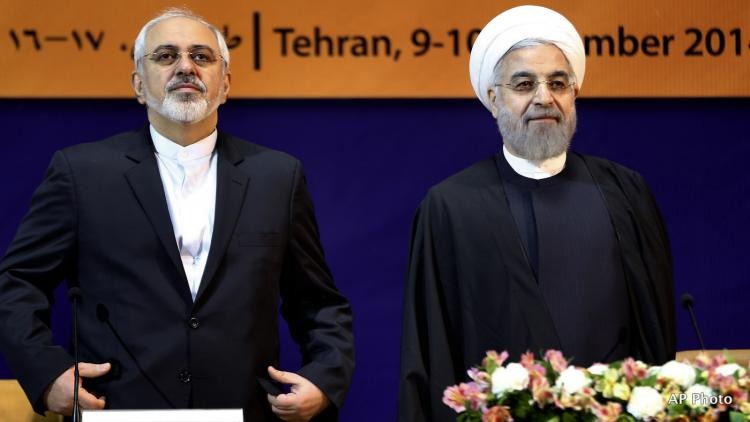
These two former leaders symbolize the brief thaw between Tehran and Washington. They are the architects of the so-called “Iran deal” on the Islamic Republic's nuclear program, which was signed during the Obama administration. However, two years later, the 45th US President Donald Trump withdrew from it, explaining that intelligence proves that Iran has not abandoned its desire to obtain nuclear weapons.
Preparing for change under the leadership of the unchanging
Almost all researchers of the country agree that Iran cannot avoid change. Mass protests by the population are occurring with alarming frequency: 2017, 2019, 2022, and finally 2026. The authorities are only able to suppress them by using violence, resulting in numerous casualties. It is becoming increasingly difficult to explain the allegiance of millions of its own citizens to the influence of external enemies. And anything can trigger protests: from the actions of the morality police against women who do not wear their headscarves tightly enough to the dissatisfaction of market traders with currency fluctuations.
Signs or hints of possible changes can be seen these days on the country's state television channels. Throughout February, Tehran celebrates the victory of the 1979 Islamic Revolution, because on February 1, Ruhollah Khomeini descended the steps of a charter flight from Paris to Tehran after the overthrow of the Shah's regime and appointed the first Islamist government just 10 days later. In February, the authorities hold mass festive demonstrations, to which they forcibly drive civil servants. Among the participants, for the first time in 47 years, Iranian women appear on state television wearing entirely European clothing and even with their heads uncovered.
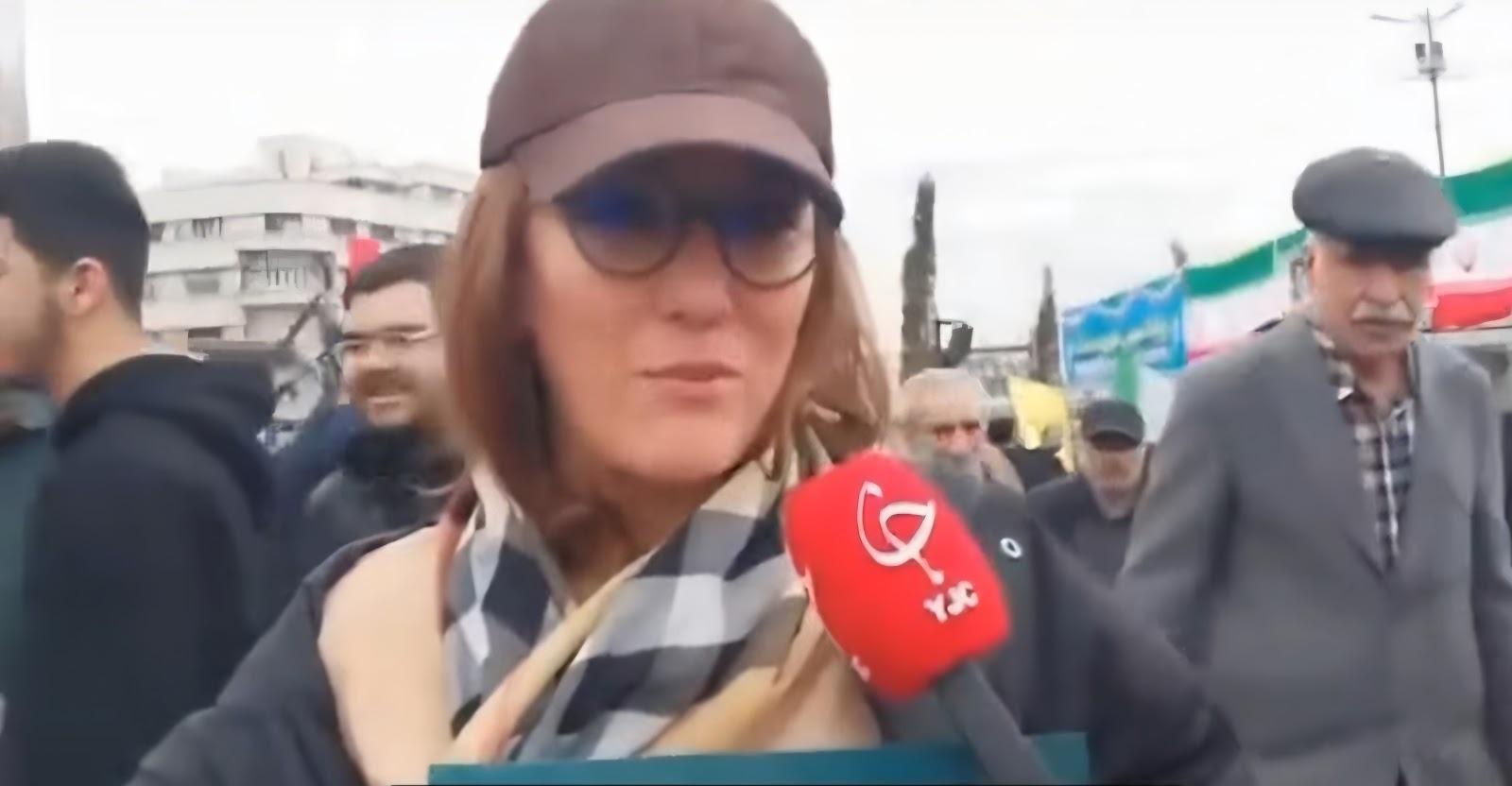
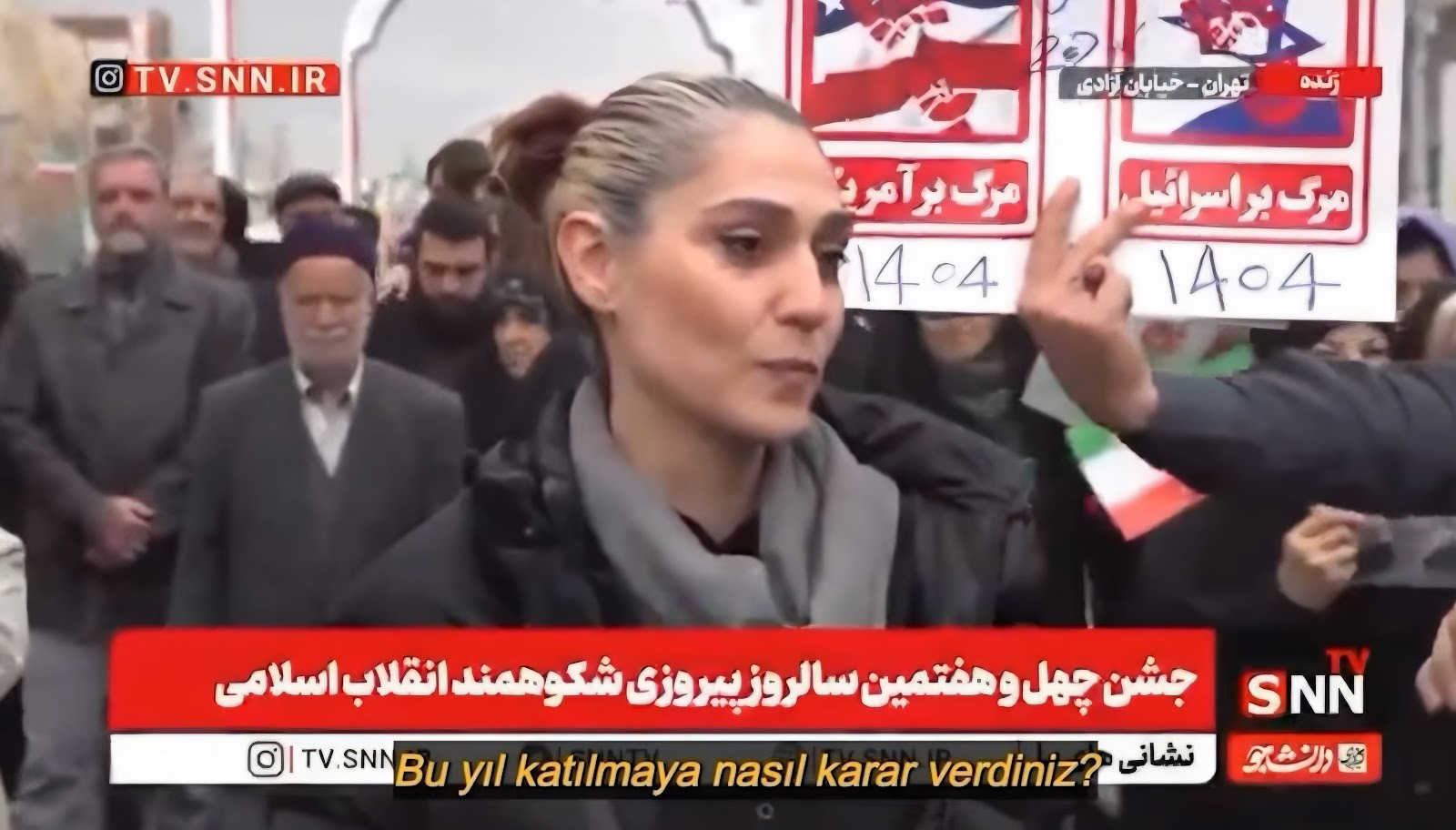
Women without headscarves declare their support for the government's policies. The authorities send a signal: look, even secular Iranians are on our side. Just a few years ago, a woman without a headscarf could be arrested not only on screen but also on the street. It was the murder of Mahsa Amini in a police station for wearing her hijab incorrectly that sparked the multi-million protests of 2022.
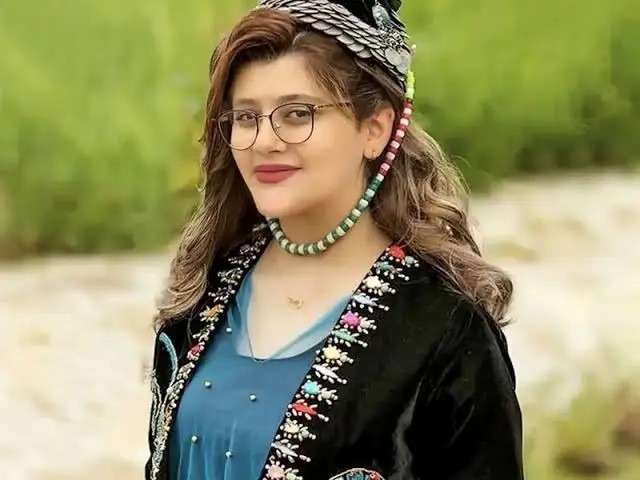
For 47 years, the authorities have not budged an inch on the issue of women's dress code, because that is what Sharia law dictates. But the fear of losing power is doing wonders for Iranian fiqh (Islamic law, where legal conclusions are based on the Koran and the biography of the Prophet Muhammad - Ed.). The extent of the flexibility of Iranian theologians is still unknown. But the first step shows that the authorities will stick to Khomeini's values until the officials of the Islamic Revolutionary Guard Corps face the threat of losing their multi-billion dollar fortunes, and a small group of people with dementia face the threat of losing their positions as all-powerful mullahs.


.jpeg)
.jpeg)
.jpg)